



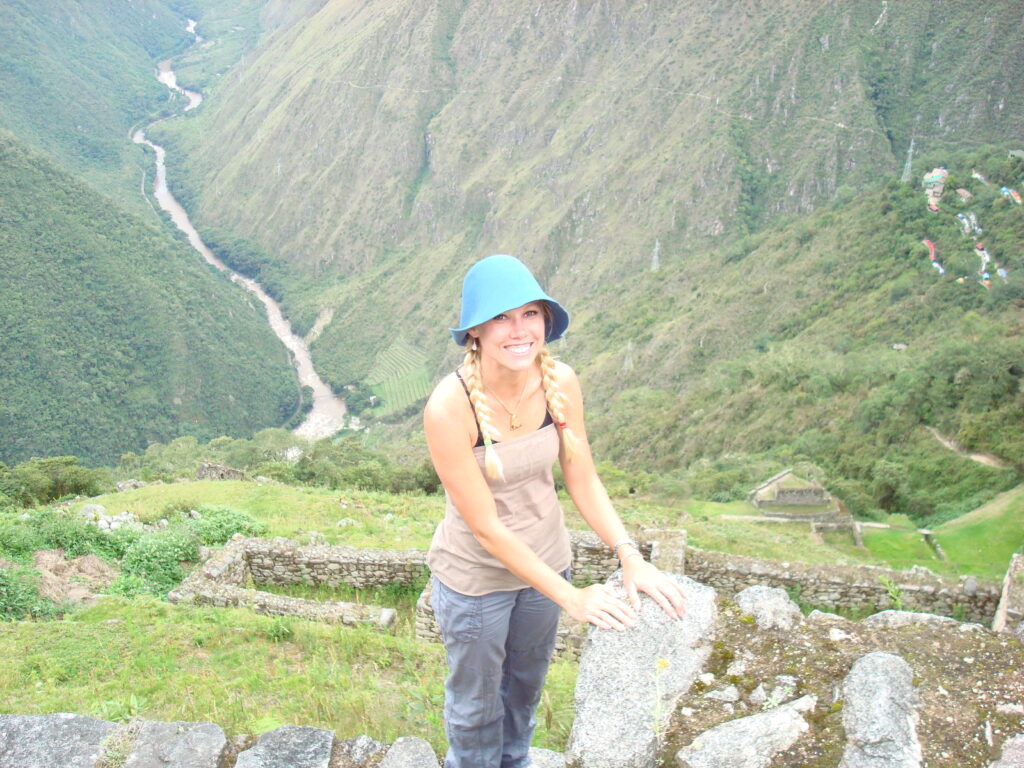
Peru is a country where every step feels like it echoes with history. From vibrant city plazas to the misty peaks of the Andes, this is a place that blends ancient culture with breathtaking landscapes. A trip here is more than just travel — it’s a pilgrimage into the heart of the Inca world.
Cusco: Gateway to the Inca Trail
Your adventure begins in Cusco, the former capital of the Inca Empire. At 11,000 feet above sea level, it’s essential to spend a couple of days here acclimating before heading into the Andes.
Wander the cobblestone streets, visit the Plaza de Armas, and explore the city’s mix of Incan foundations and Spanish colonial architecture. The vibrant San Pedro Market is perfect for sampling coca tea (a local remedy for altitude) and picking up handicrafts before your trek.
Tip: Take it slow in Cusco. Walk, rest, hydrate, and sip coca tea to help your body adjust.
Giving Back: A Day of Service
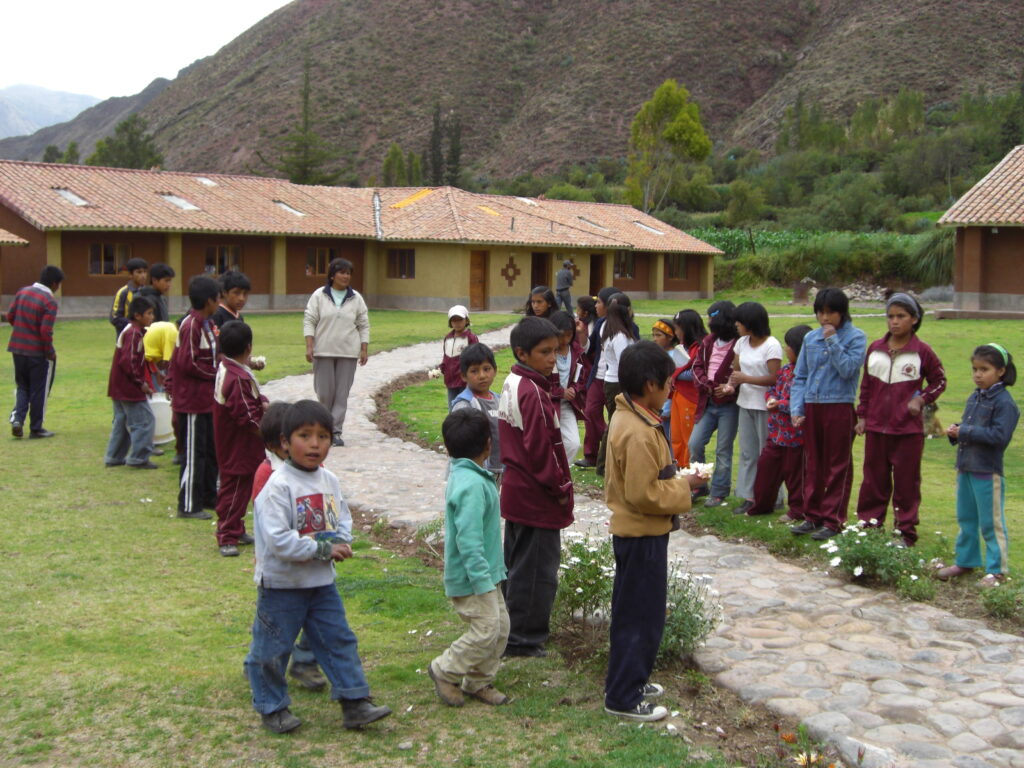
Before setting out on the trail, many travelers spend a day giving back to the local community. One of the most meaningful experiences is visiting nearby schools or orphanages to deliver school supplies, clothing, or food.
Sharing smiles, playing games, and connecting with the children offers a deeper perspective of Peru beyond its landscapes. It’s a small way to leave something positive behind, and for many, it becomes one of the most unforgettable parts of the journey.
The Inca Trail: Three Days Across the Andes
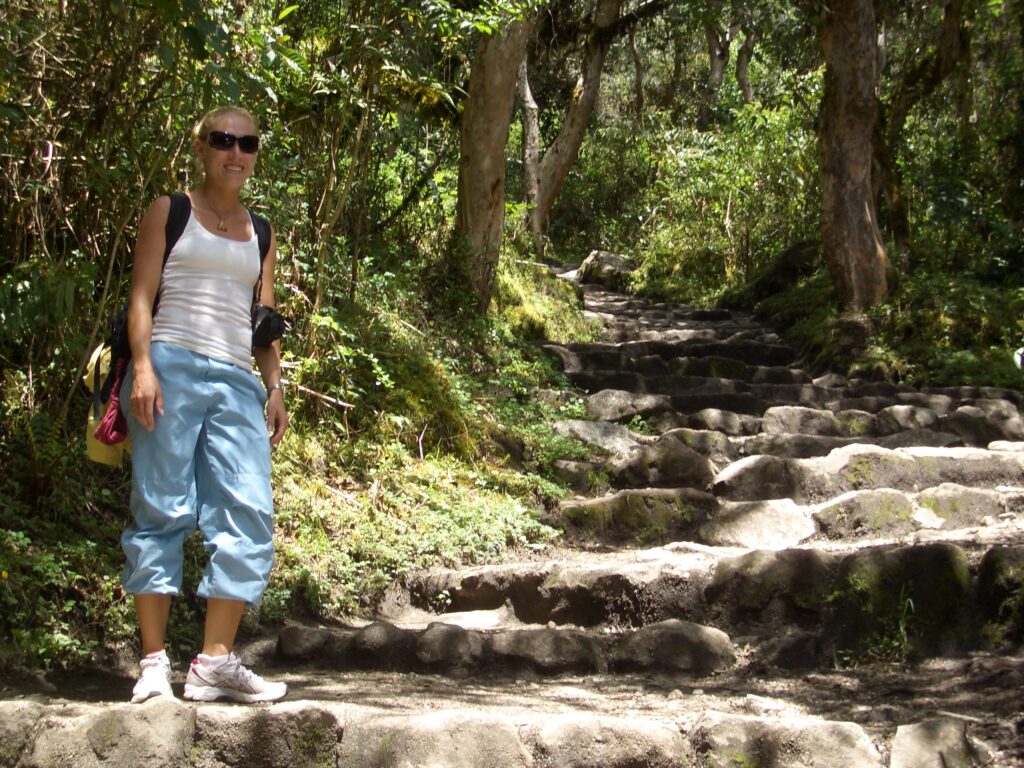
The Inca Trail is more than a hike — it’s a journey through history. Over the course of three days, you’ll cross high mountain passes, cloud forests, and ancient Incan ruins hidden along the way.
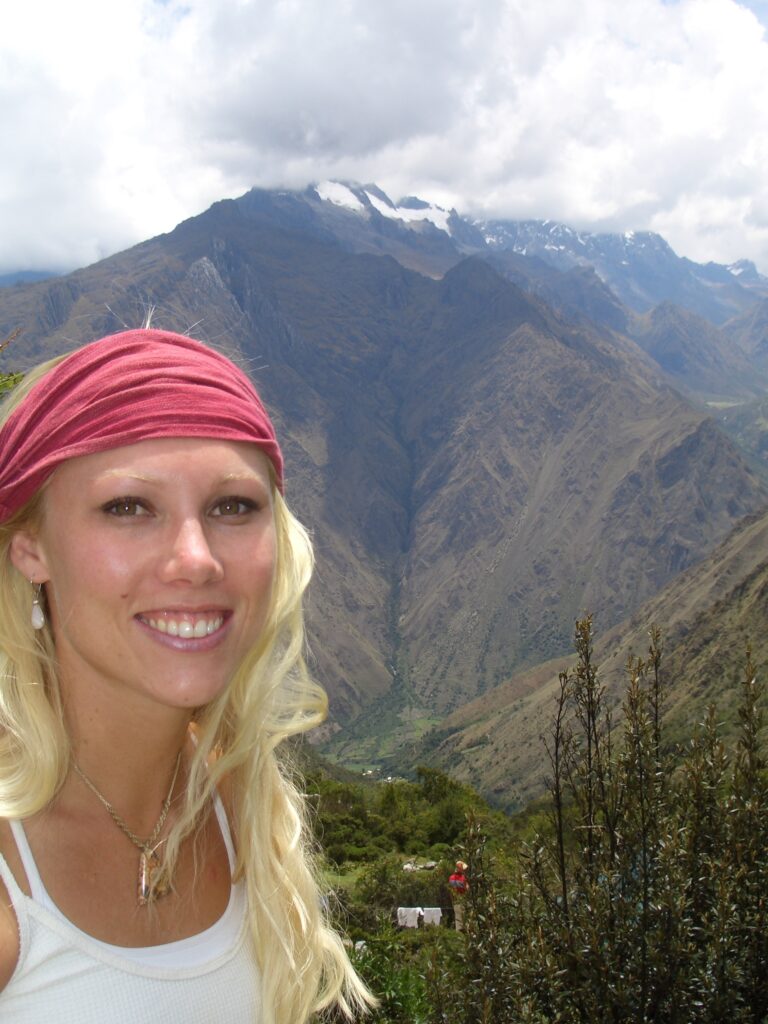
Day one eases you into the trek, winding through rolling hills and past small villages. By day two, you’ll face the challenge of Dead Woman’s Pass, climbing above 13,000 feet — the highest point of the trail. The views from the top are unforgettable: jagged Andean peaks, layers of mist, and valleys stretching endlessly below.
Day three descends into lush cloud forest, where moss-covered ruins and stone terraces appear like echoes of the past. Each site feels like a preview of the wonder waiting at the trail’s end. Nights are spent in camps beneath the stars, the Milky Way clear above the Andes.
Sherpa Support on the Trail
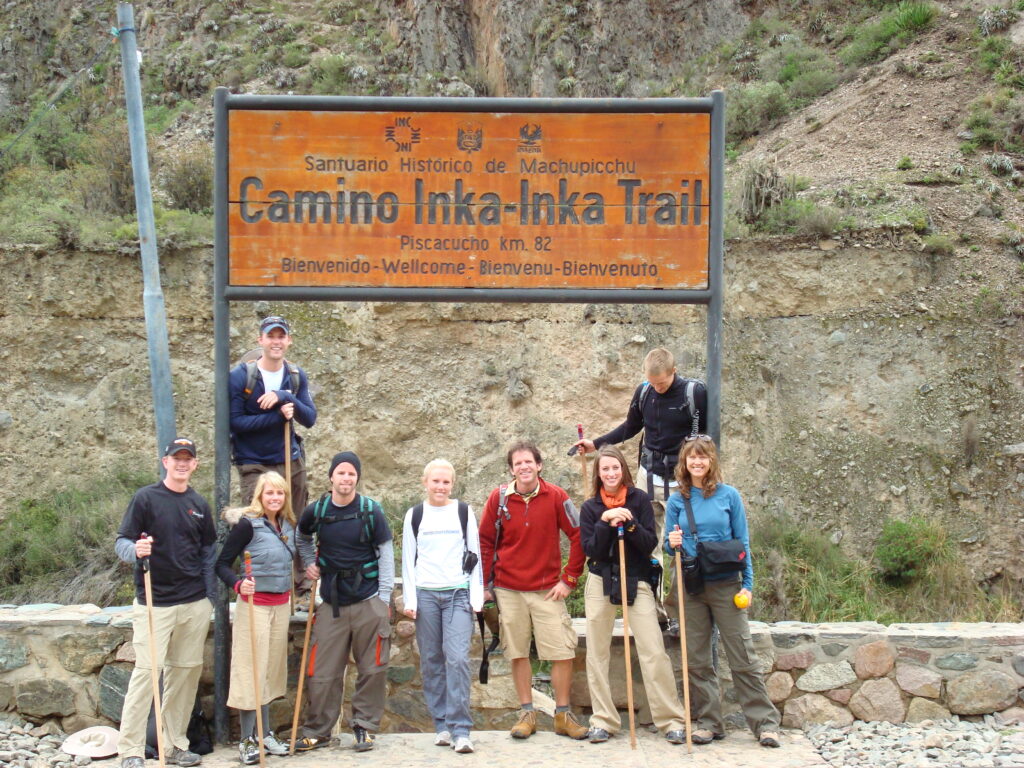
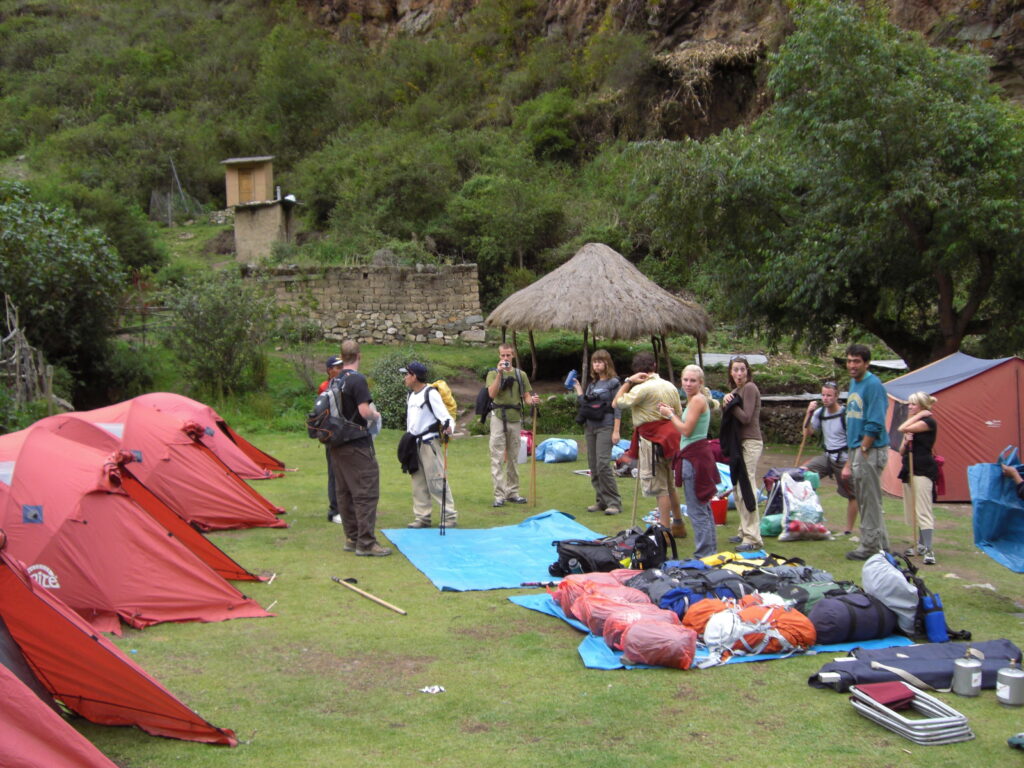
The trail experience wouldn’t be the same without the incredible sherpas and porters who guide and support trekkers along the way. These local experts not only carry much of the gear but also set up tents, prepare hearty meals, and ensure everything runs smoothly.
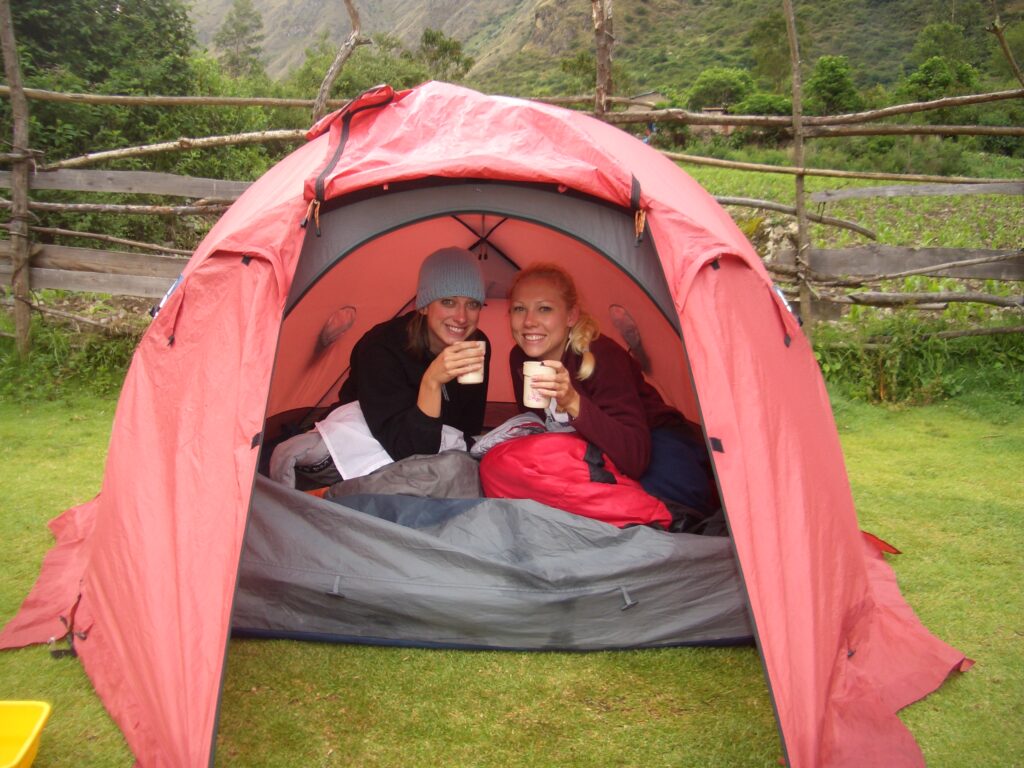
After a long day of hiking, arriving to a warm meal, a ready campsite, and even hot tea waiting at your tent door is a luxury that allows you to fully immerse yourself in the beauty of the journey. Their knowledge of the mountains and culture adds richness to the trek that goes far beyond logistics.
Machu Picchu: The Lost City of the Incas
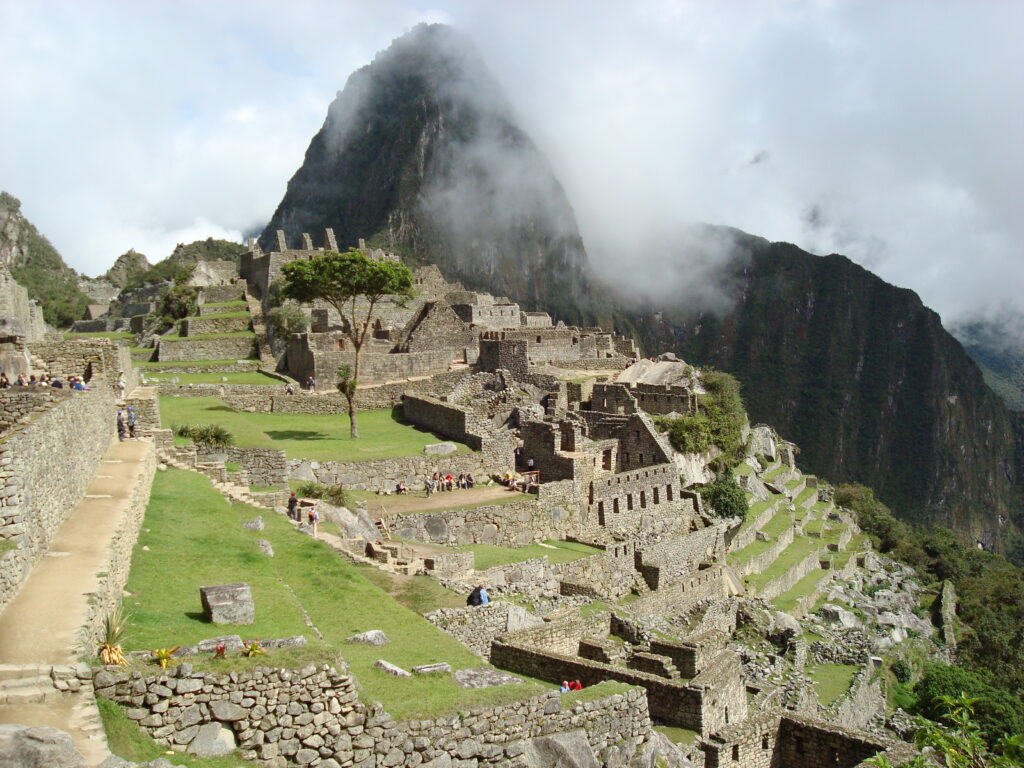
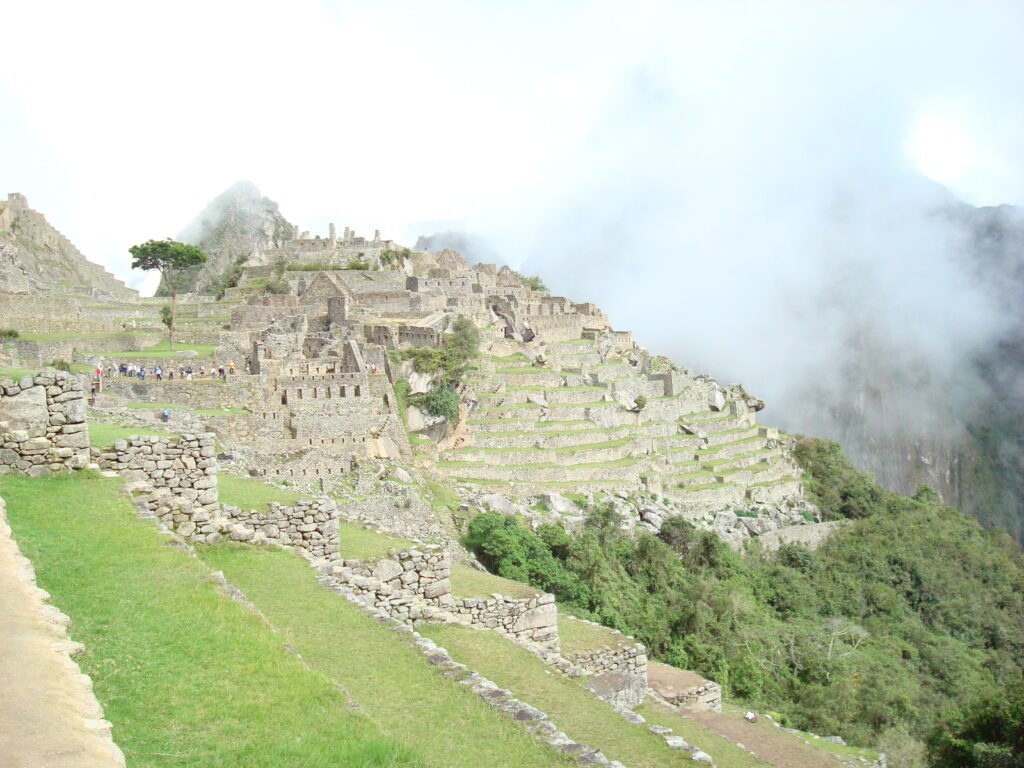
At the end of the trail, you’ll arrive at Machu Picchu, the crown jewel of Incan civilization. Hidden in the mountains until its rediscovery in 1911, this “Lost City” is a marvel of stonework and ingenuity.
Walk among the terraced slopes, temples, and ceremonial sites — each stone perfectly fitted together without mortar. The history here is awe-inspiring: Machu Picchu is believed to have been a royal estate or sacred religious site for Incan leaders in the 15th century.
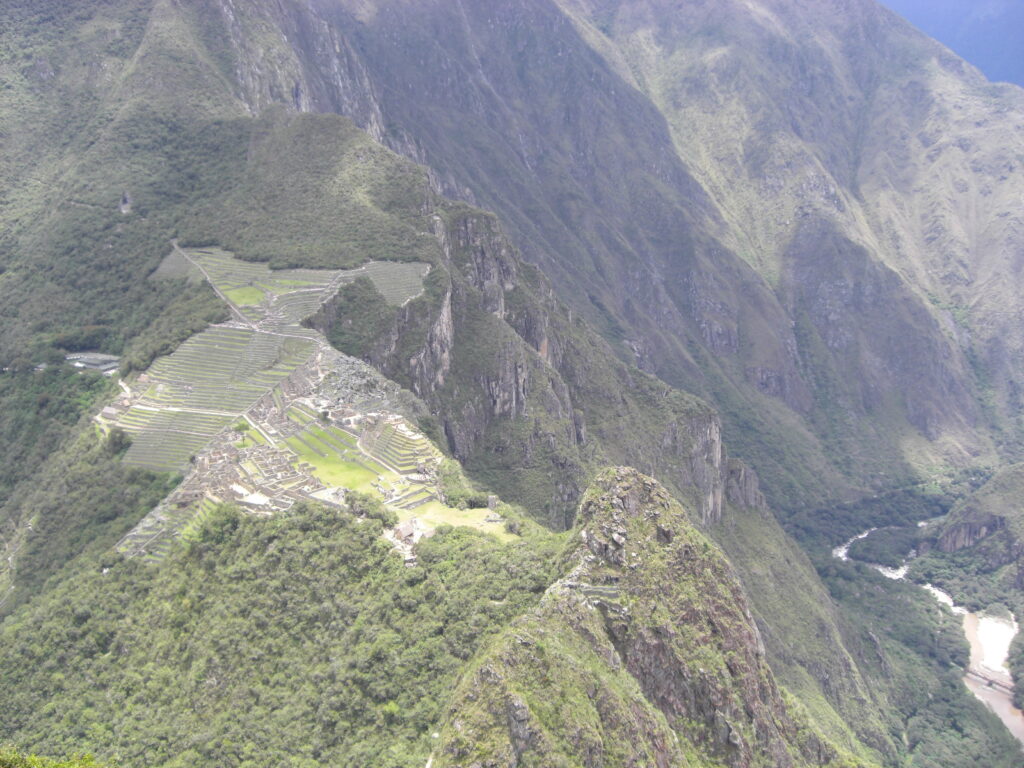
For an even higher perspective, take the steep Huayna Picchu (Picchu Picchu) hike that climbs above the ruins. From the top, you’ll see Machu Picchu laid out below like a postcard, framed by the surrounding peaks and valleys.
Tip: Entrance tickets to Machu Picchu and Huayna Picchu are limited. Book well in advance.
Lake Titicaca: Floating Islands of the Uros
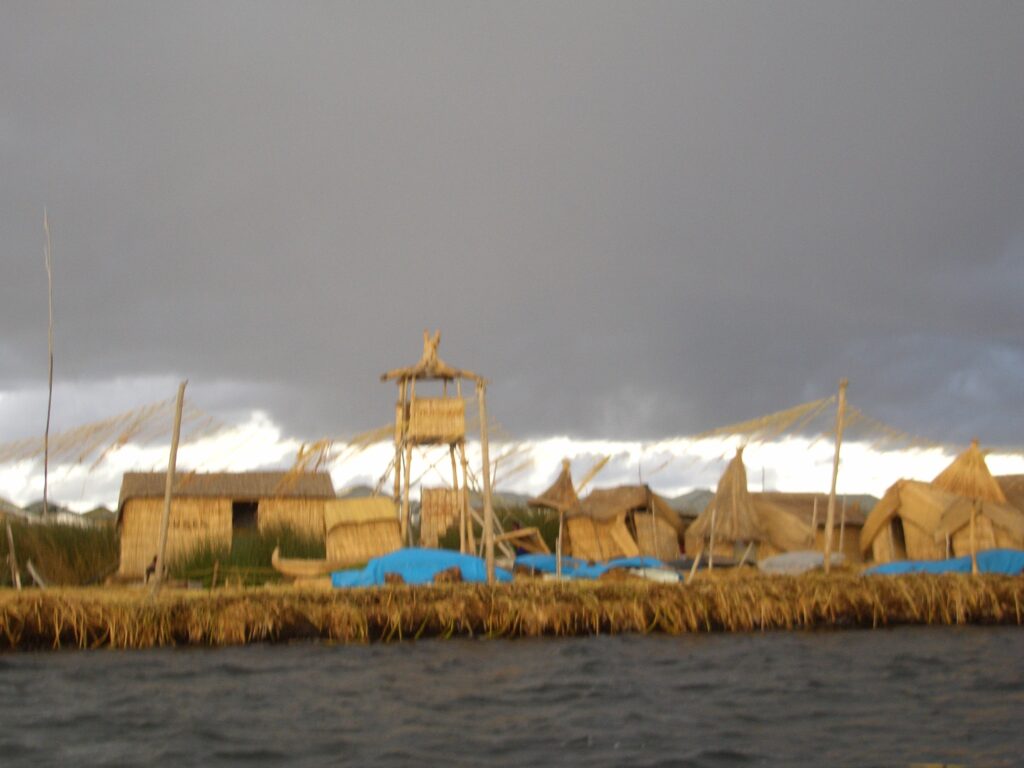
After Machu Picchu, head south for a day excursion to Lake Titicaca, the world’s highest navigable lake. Here you’ll visit the Uros Floating Islands, handmade from layers of totora reeds that are replenished every few months.
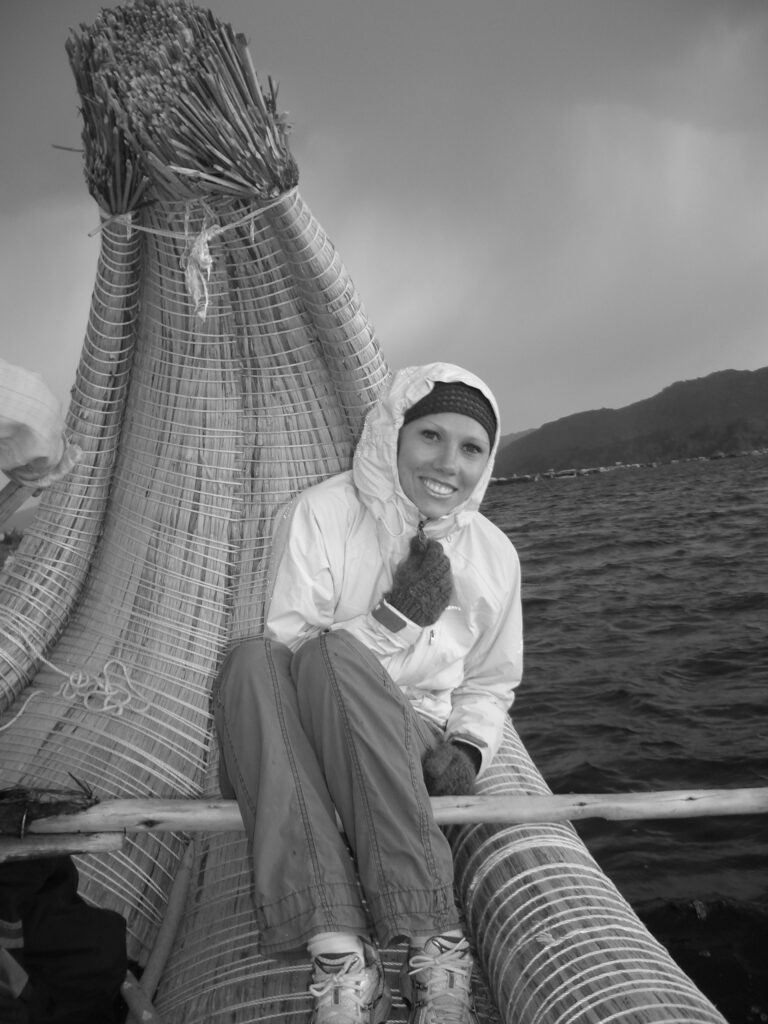
The Uros people have lived here for centuries, building their homes, boats, and islands from reeds. Walking on the islands feels springy and surreal, while the shimmering blue lake stretches endlessly toward the horizon.
It’s a fascinating glimpse into a way of life that’s both ancient and enduring.
Travel Tips for Peru
- Best Time to Visit: May to September (dry season, ideal for hiking).
- Altitude Awareness: Cusco and the Inca Trail are at high elevations — plan extra time for acclimation.
- Currency: Peruvian Sol (PEN).
- Packing for the Trail: Layers are essential — mornings and evenings are cold, but afternoons can be warm. Bring good hiking boots, a poncho for sudden rain, and plenty of snacks.
- Sherpa Services: Book with a guided trek company that provides porters, cooks, and guides — it enhances the experience and supports the local economy.
Why Peru Captivates Travelers
Peru is a journey through time: from bustling Cusco streets to silent Andean peaks, from stone-paved trails to the terraces of Machu Picchu. Adding in a day of service makes the experience even more meaningful, connecting you to the people as well as the land.
The Inca Trail isn’t just a hike — it’s a connection to an ancient civilization, each step leading deeper into history. And beyond the mountains, places like Lake Titicaca reveal cultures that continue to thrive in remarkable ways.
A trip here leaves you with more than photographs — it leaves you with stories, memories, and a lasting sense of awe.