



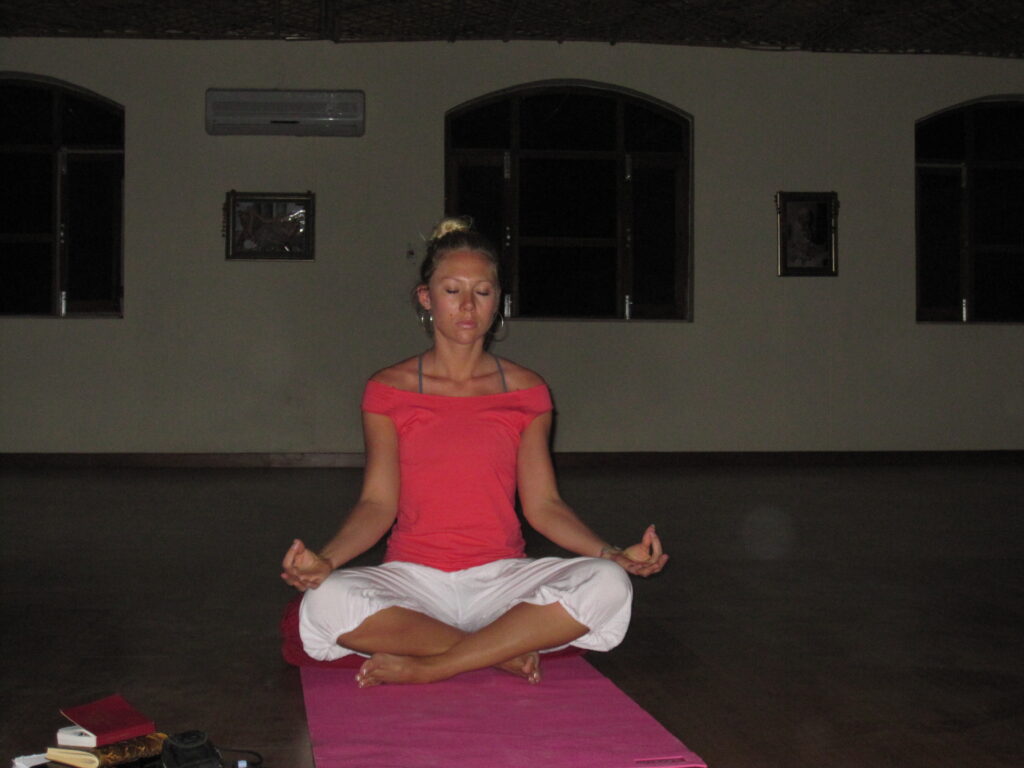
India is not a trip you take — it’s a trip that takes you. It’s not for everyone and I only recommend traveling there if you are feeling called to it. The colors, the chaos, the beauty, and the intensity of life here come at you all at once: the sweet smell of incense outside a temple, the bite of diesel in crowded streets, the crush of humanity in one moment, and quiet peace on the banks of the Ganges the next. Traveling the Northern Triangle of India gives you a glimpse of the country’s spiritual heart — from ancient temples and sacred rituals to Himalayan foothills and iconic monuments. But the main word I would use to describe it, is intense, the food, the population, the smells, the poverty.
India hit me like no other place I’ve traveled. It’s intense, overwhelming, beautiful, and heartbreaking all at once. The smells swing from sweet incense outside a temple to spices in a market to the thick smoke of cremation fires on the Ganges. The poverty is real and unavoidable, but so is the kindness of people who go out of their way to help.
Here’s how my journey unfolded — through ashrams, Himalayan mountains, golden temples, and the Taj Mahal.
Landing in New Delhi
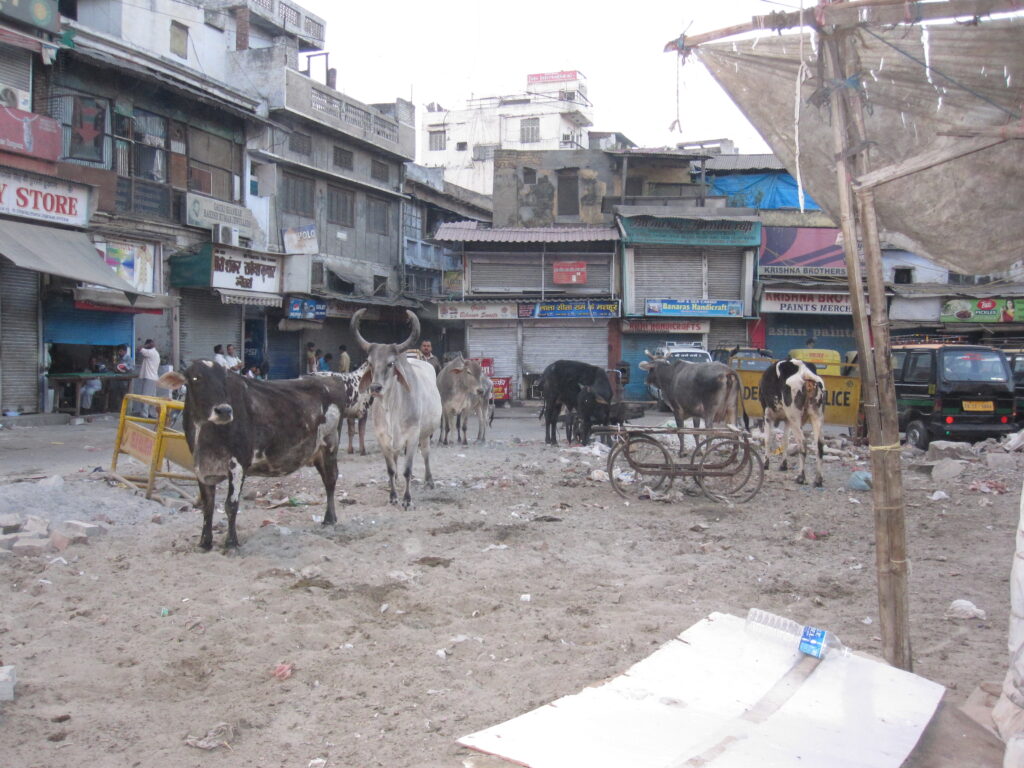
I started my trip in New Delhi, and nothing prepared me for the chaos. Cars, tuk-tuks, cows, and people filled every inch of space. The horns never stopped. The streets were crammed with vendors selling colorful saris, piles of fruit, and simmering pots of street food. The city felt alive, but also exhausting.
After a quick rest, I left the city behind for something completely different.
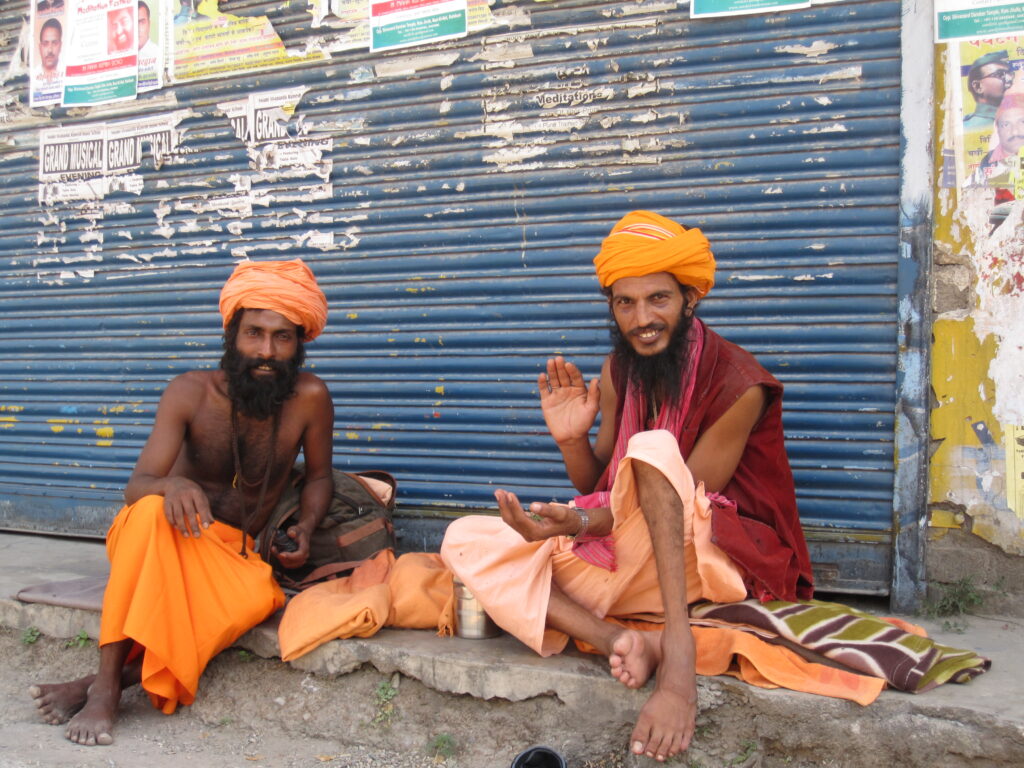
Rishikesh: Ashrams and the Kumbh Mela
From Delhi, I took a cab to Rishikesh, a spiritual town on the Ganges. I stayed at an ashram, waking up early for meditation, yoga, and vegetarian meals. The days were simple, peaceful, and surprisingly grounding. An ashram is simply a place to practice your spirituality through yoga and meditation. You don’t have to be apart of a specific religion. In fact I felt comfortable bringing spiritual books of my own to read and modified the daily activity to fit with in the bounds of what I personally believe.
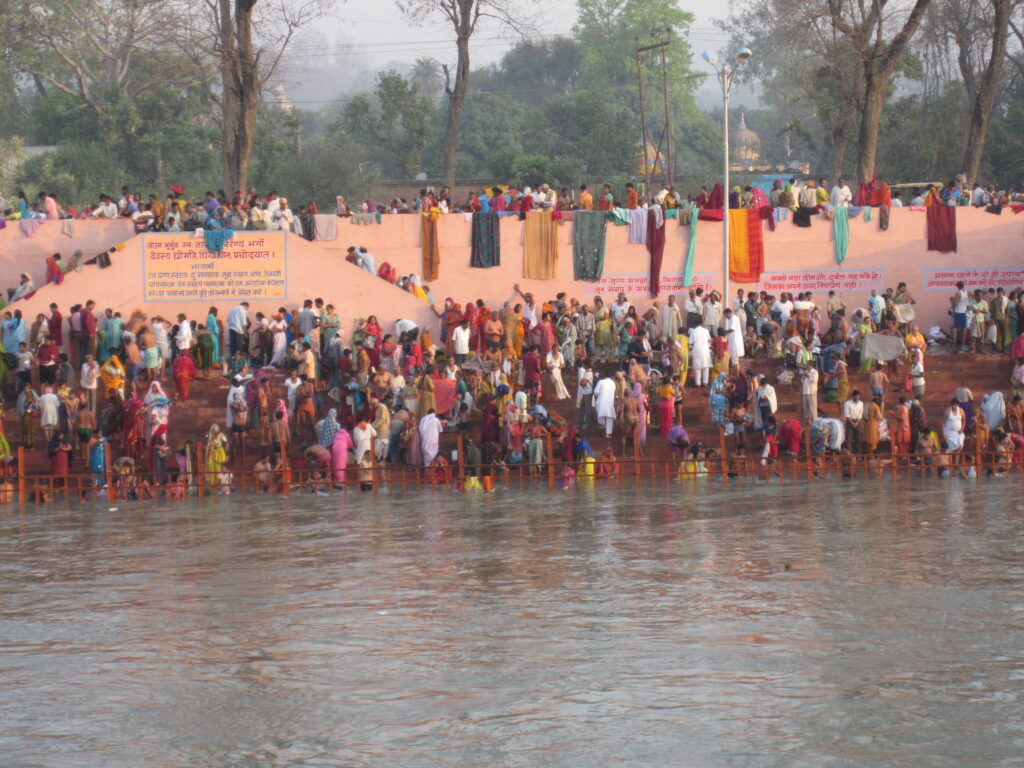
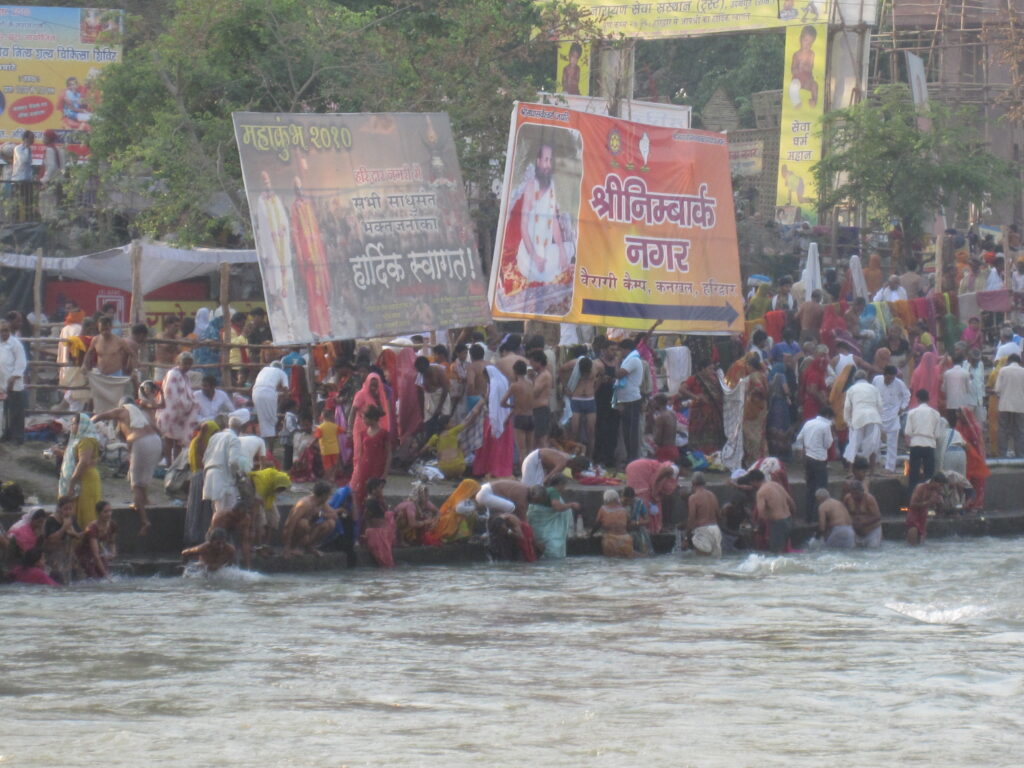
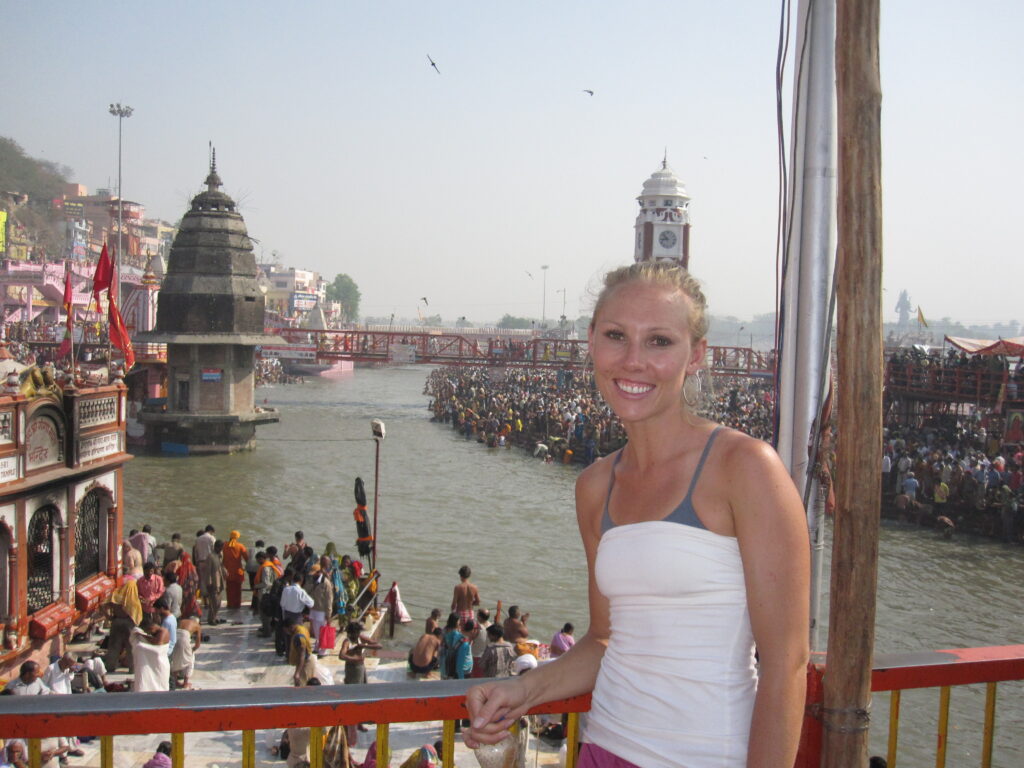
While I was there, I also got to witness the Kumbh Mela, one of the largest religious gatherings on earth. Held every 12 years (and in smaller rotations every 3 years), millions of Hindu pilgrims gather to bathe in the holy Ganges, washing away sins in a ritual believed to bring liberation. It is overwhelming, beautiful, and deeply spiritual — an unforgettable window into the living faith of India. People came to bathe in the Ganges, from all corners of the earth. It is a right of passage I think they believe that everyone must do once in a lifetime.
Dharamshala: In the Foothills of the Himalayas
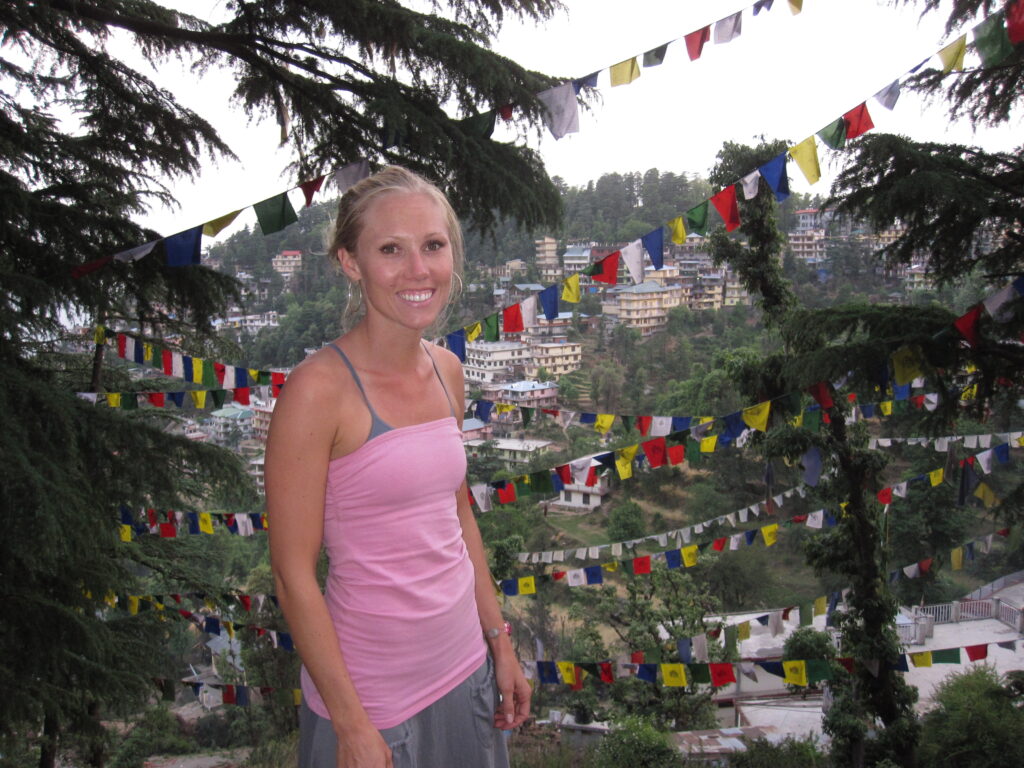
From Rishikesh, I took a long, winding bus ride into the Himalayas and ended up in Dharamshala. The air is cooler here, the pace slower, with snow-capped peaks as your backdrop. Days are spent hiking mountain trails, sipping chai in Tibetan cafés, and visiting monasteries filled with prayer flags fluttering in the wind.
It’s a place of reflection and calm — a stark contrast to the crush of Delhi.
This is where the Dalai Lama lives, and Tibetan culture shapes the whole town. I hiked mountain trails, ate pizza, and listened to monks chanting in monasteries. Prayer flags fluttered everywhere.
Pro tip: NEVER DRINK BOTTLE WATER BOUGHT FROM STREET VENDORS. On our way to Dhamashala, I opted for bottled water instead of a Sprite, my instincts thought to take the soda but I was craving water. With in hours I was hurled over the gutter outside the gates to the Dhali Lama’s house losing everything and anything I had ever eaten in my entire life. (ok thats dramatic but to be fair I have never been so sick and lost 7 pounds in 36 hours) Getting sick in India is no joke. Some vendors take water bottles, refill them and reseal them and then resale them.
The Golden Temple in Amritsar
From Dharamshala, I hired a private driver and drove to Amritsar, home of the Golden Temple. Hiring a private car is the easiest way to travel from Dharamshala to Amritsar, home of the Golden Temple. This Sikh holy site shimmers in the middle of a sacred pool, its gold-plated façade reflecting like fire in the water. Pilgrims come here daily for prayer and for langar, the temple’s free communal kitchen, where anyone — regardless of religion or background — is welcome to sit on the floor and share a simple meal.
From Amritsar, it’s an easy flight to your next stop.
Varanasi: Life and Death on the Ganges
Next, I flew to Varanasi, one of the oldest continuously inhabited cities in the world and Hinduism’s most sacred city. Life and death live side by side here on the banks of the Ganges River.
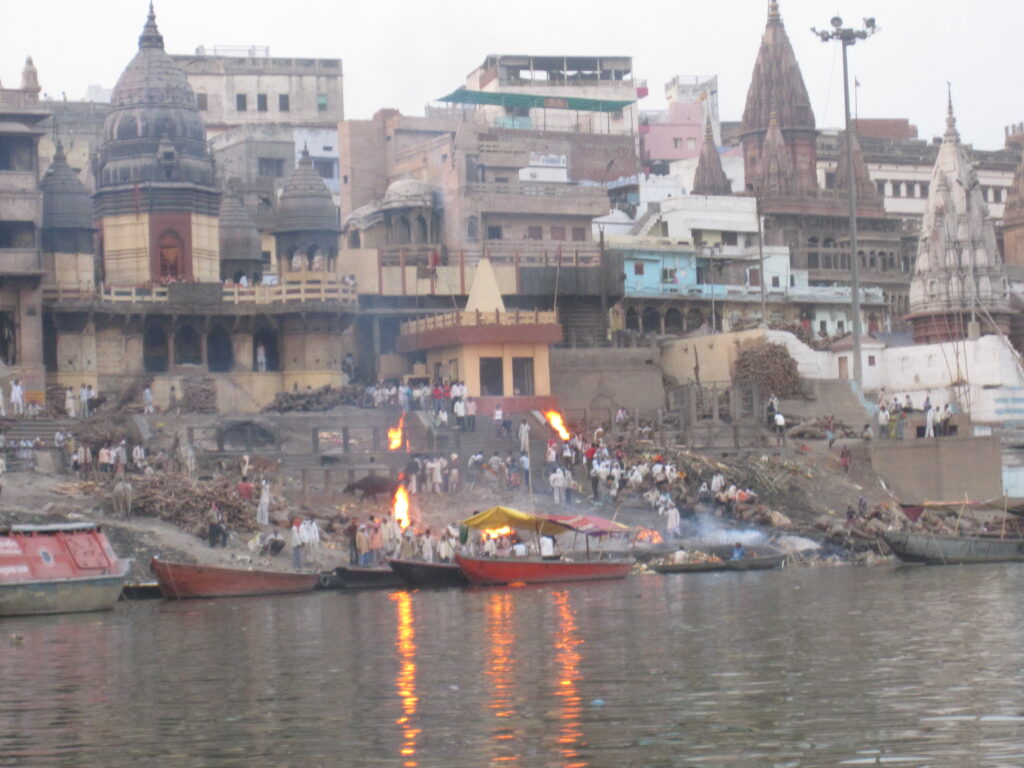
At sunrise, I watched pilgrims bathe in the Ganges, dipping into the cold water as priests chanted. But the most powerful part was standing at the Manikarnika Ghat, where bodies are burned on open pyres before their ashes are placed in the river. At the ghats (stone steps leading to the water), you’ll witness rituals unlike anywhere else on earth. Pilgrims bathe at sunrise, believing the river purifies the soul. At Manikarnika Ghat, funeral pyres burn around the clock, cremating bodies before their ashes are released into the Ganges. It is raw, powerful, and deeply spiritual — a reminder of how different cultures view life and mortality. The smoke filled the air, and the smell was unforgettable. It was raw and intense — a reminder of how differently cultures face death.
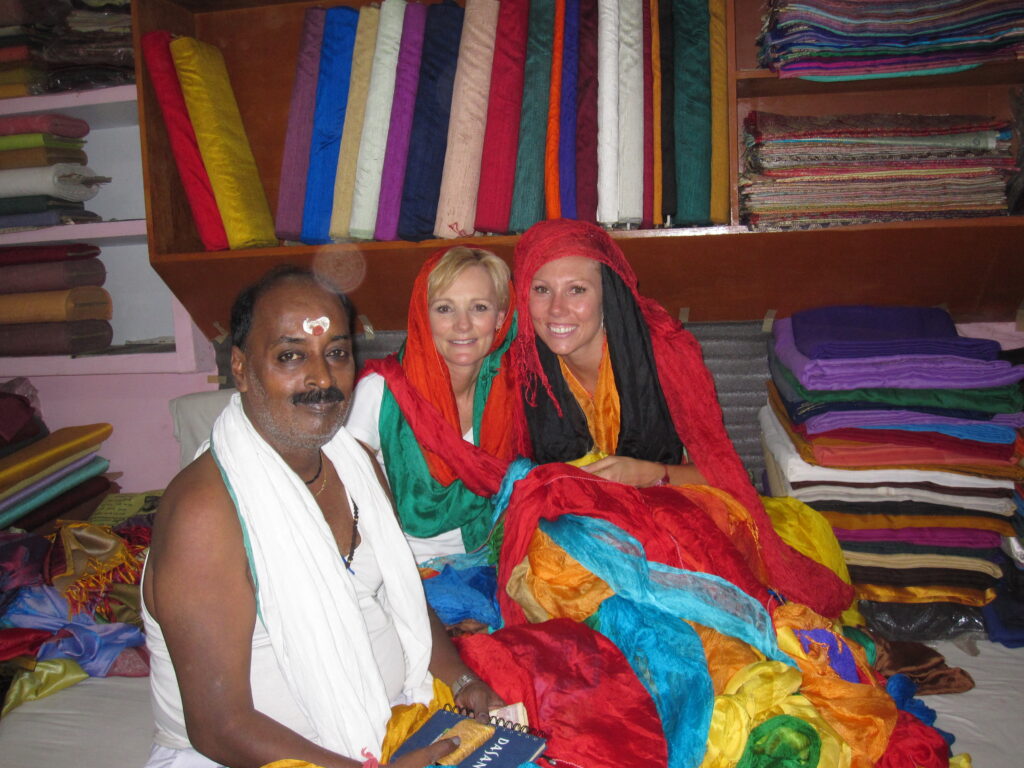
Beyond the river, Varanasi is also a hub for silk weaving. The markets are filled with shimmering sarees and handwoven fabrics, a chance to bring home something truly traditional.
The Taj Mahal in Agra
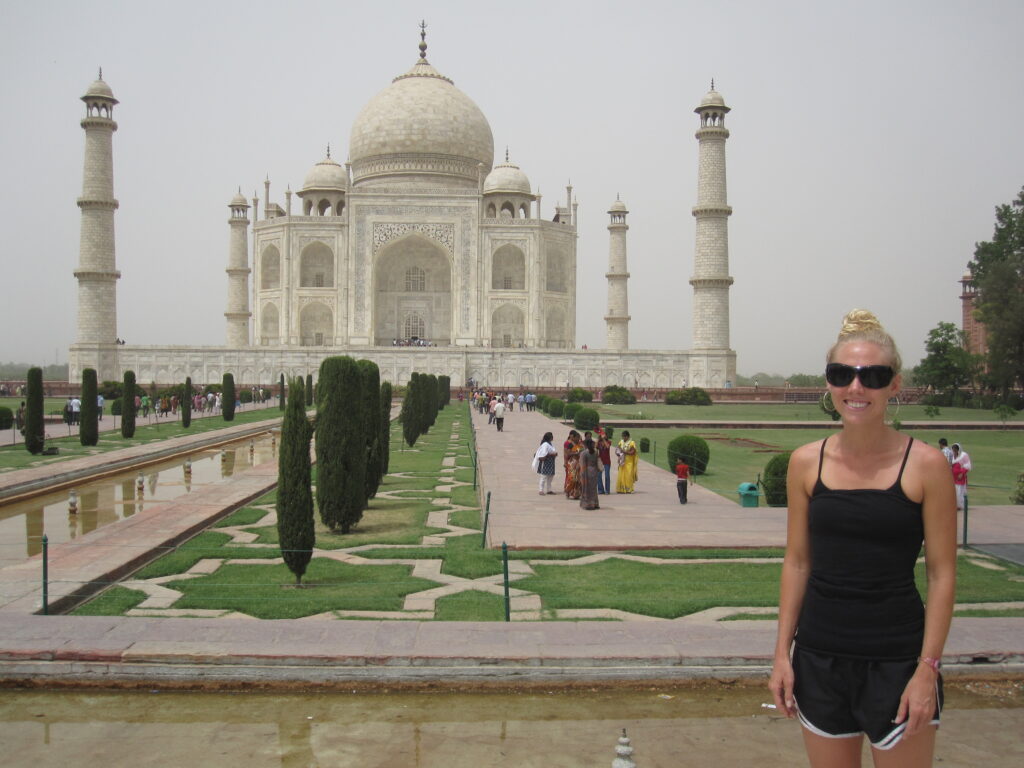
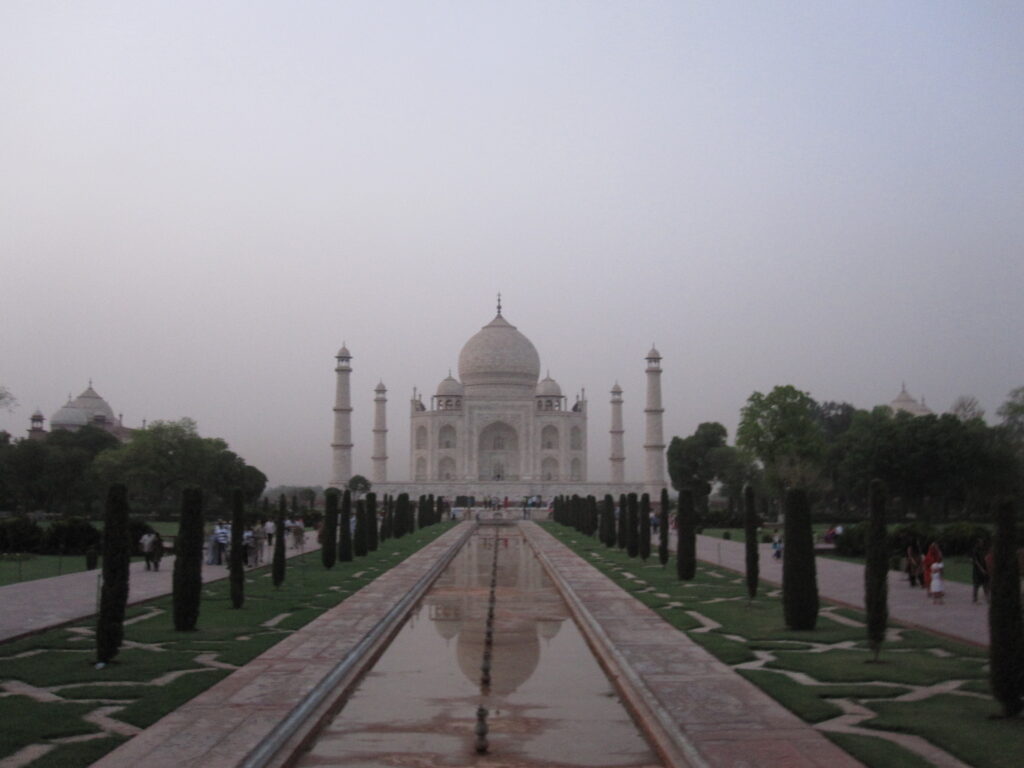
From there, I made my way to Agra to see the Taj Mahal, one of the New Seven Wonders of the World. Photos don’t prepare you for it. Built by Emperor Shah Jahan for his wife Mumtaz Mahal in the 1600’s, it’s as much a love story as it is a masterpiece. At sunrise, the marble glowed pink and soft, and I just stood there, in awe. It’s easily one of the most beautiful buildings I’ve ever seen.
Back in New Delhi
I finished my trip back where it began — in New Delhi. By then, I was more adjusted to the noise, smells, and chaos. I wandered through spice markets, bargained for souvenirs, and treated myself to one last sweet, hot masala chai before catching my flight home.
Final Reflections
Traveling through India’s Northern Triangle was not an easy trip. The poverty is stark, the smells can be overwhelming (sometimes wonderful, sometimes not), and the crowds never thin out. But it’s also one of the most transformative experiences I’ve ever had. The spirituality, the history, and the rawness of life here left me forever changed.
India doesn’t let you stay the same — it pushes you, humbles you, and opens your eyes.
WORD TO THE WISE. WHEN TRAVELING IN INDIA ALWAYS BOOK FIRST CLASS. (it’s still cheap)