


Few journeys in the world carry the same mix of history, spirituality, and adventure as the Camino de Santiago. Known as “The Way of St. James,” this pilgrimage has been walked by millions of people for over a thousand years, leading to the shrine of the Apostle James in Santiago de Compostela, Spain.
Whether you’re walking for faith, reflection, or simply the challenge, the Camino is an unforgettable experience. Here’s everything you need to know before lacing up your boots.
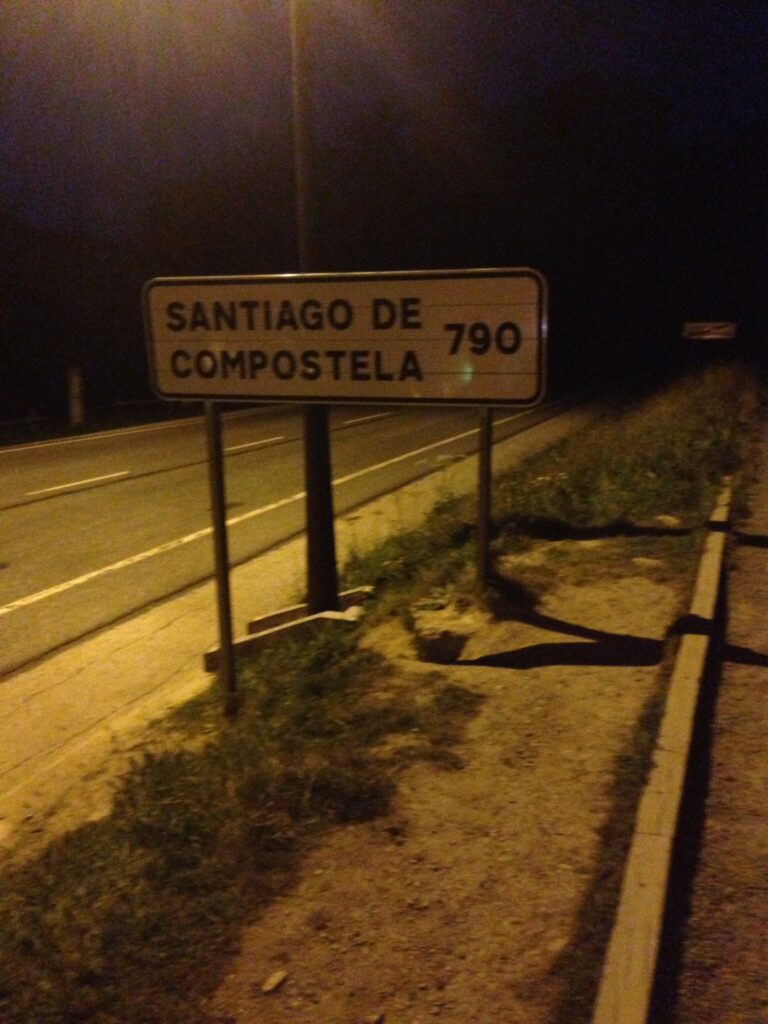
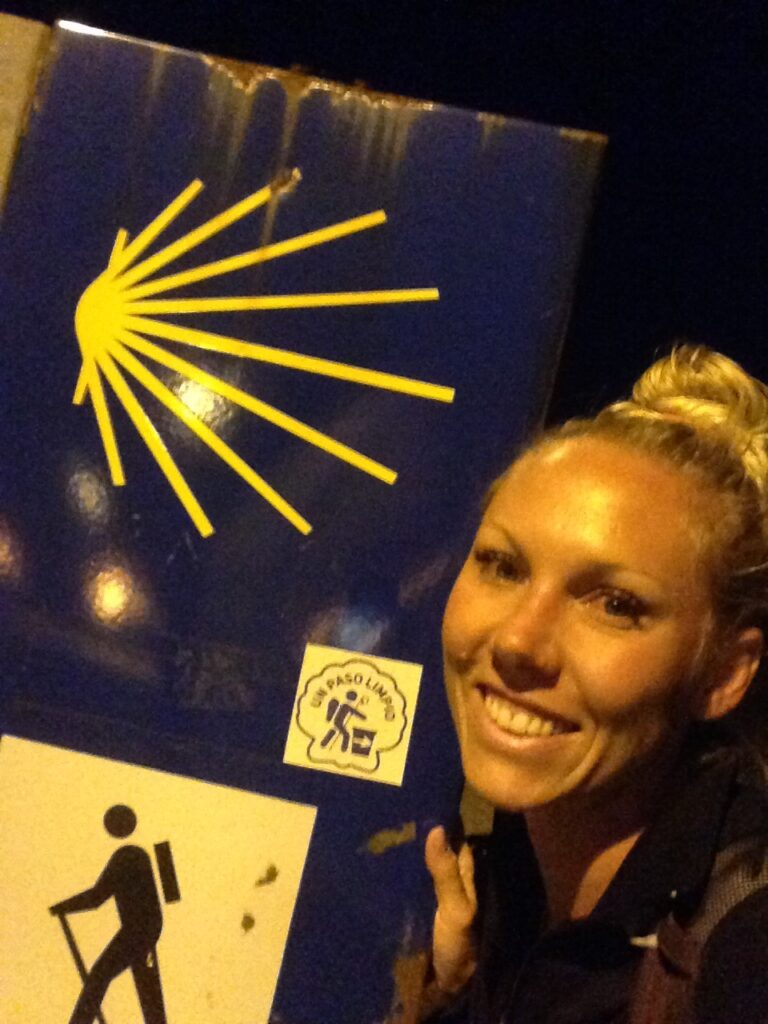
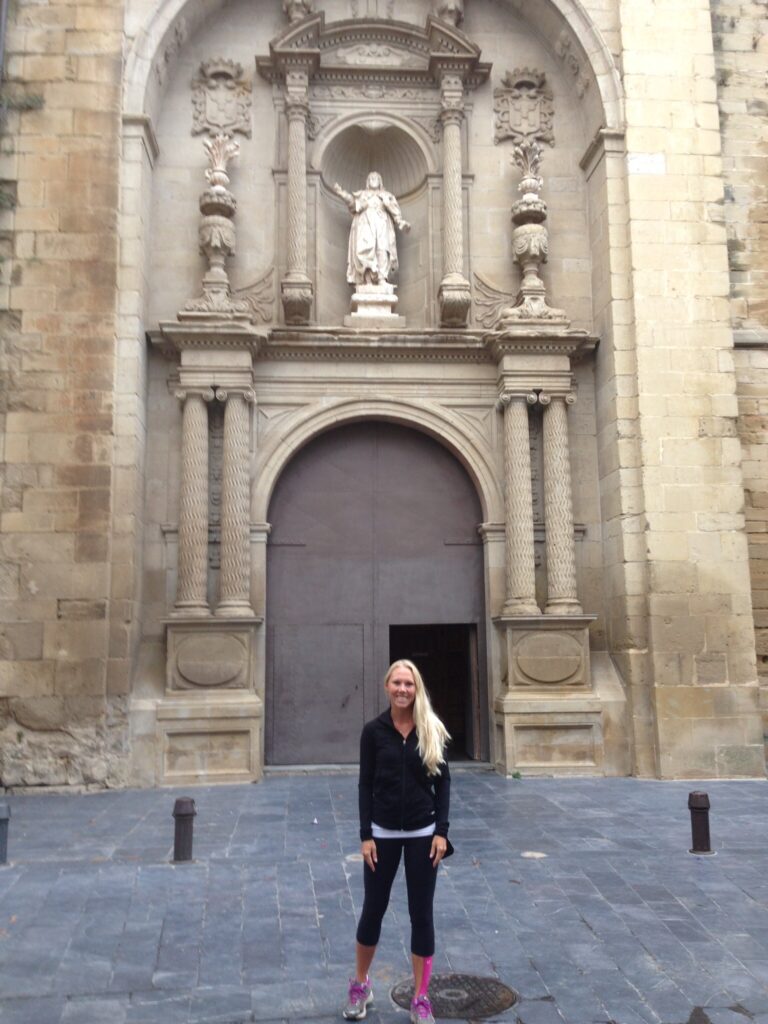
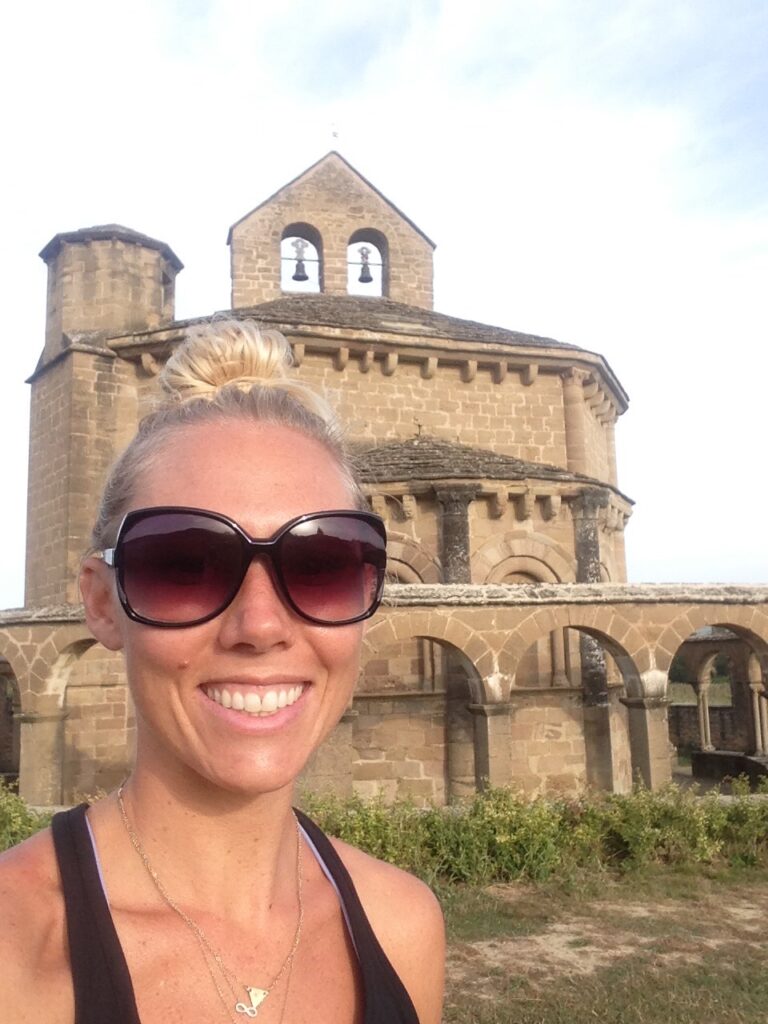
It Took Me 33 Days to Walk Across Spain
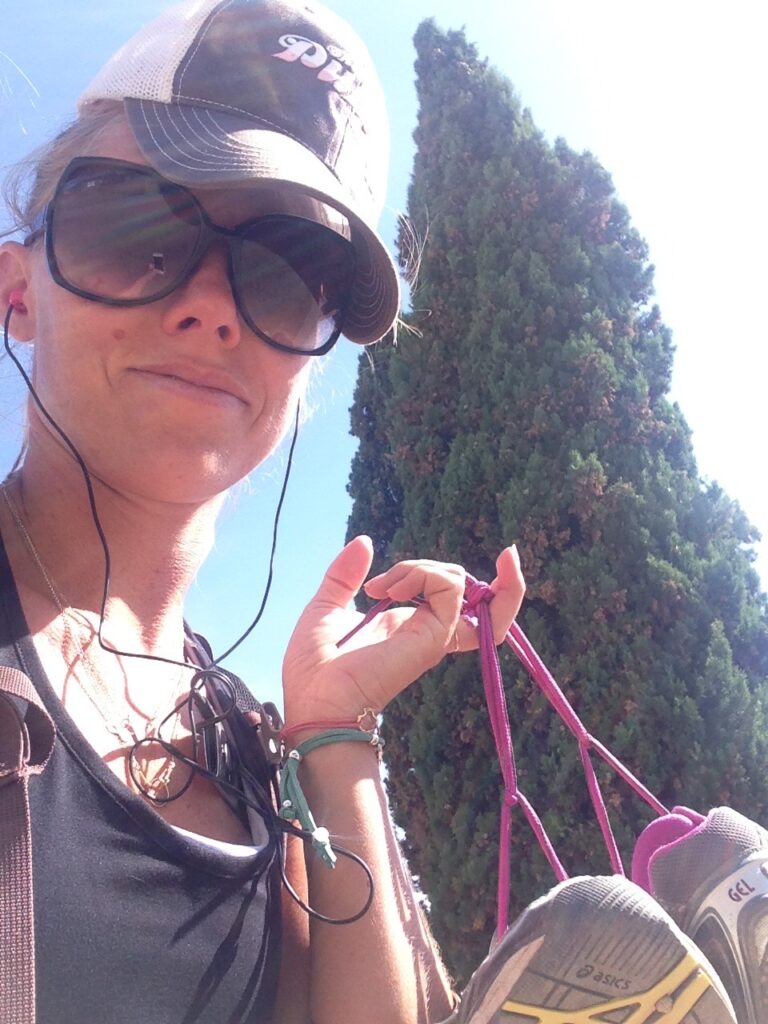
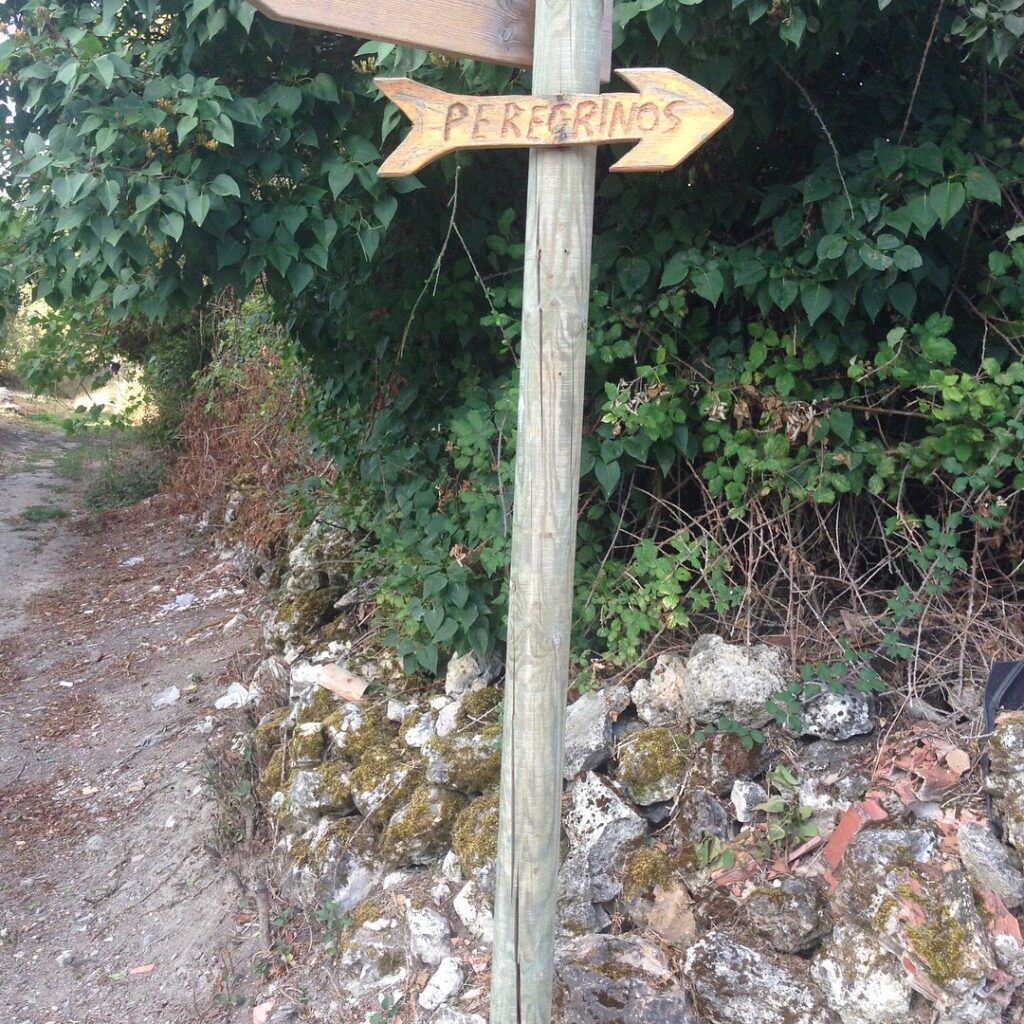
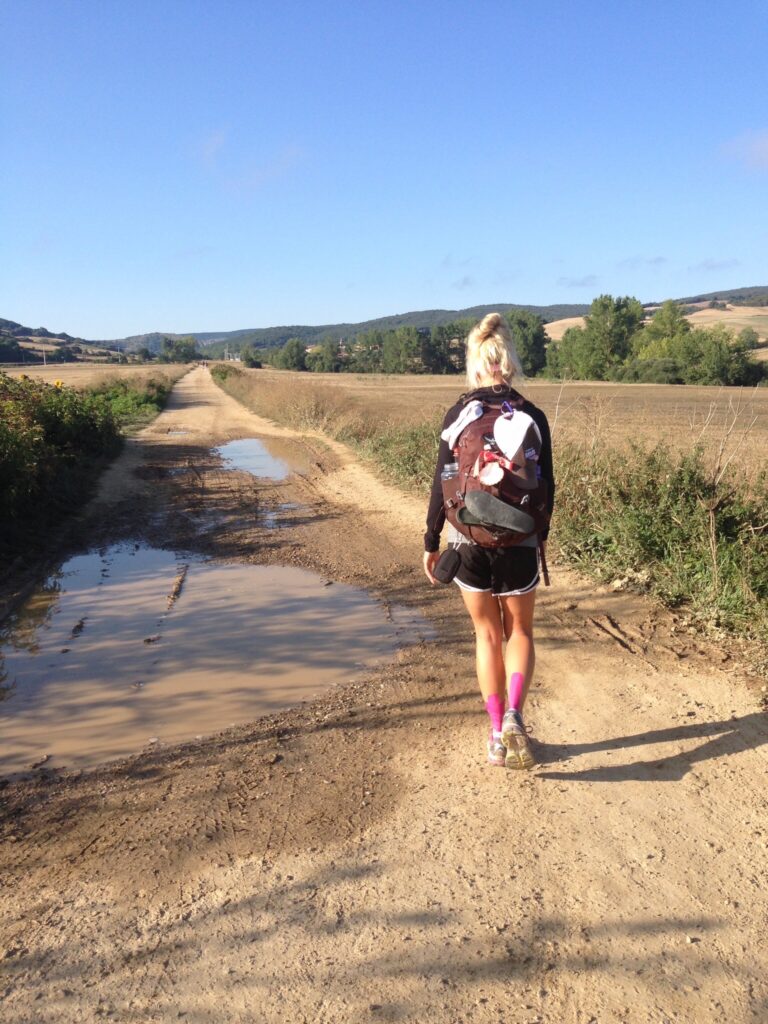
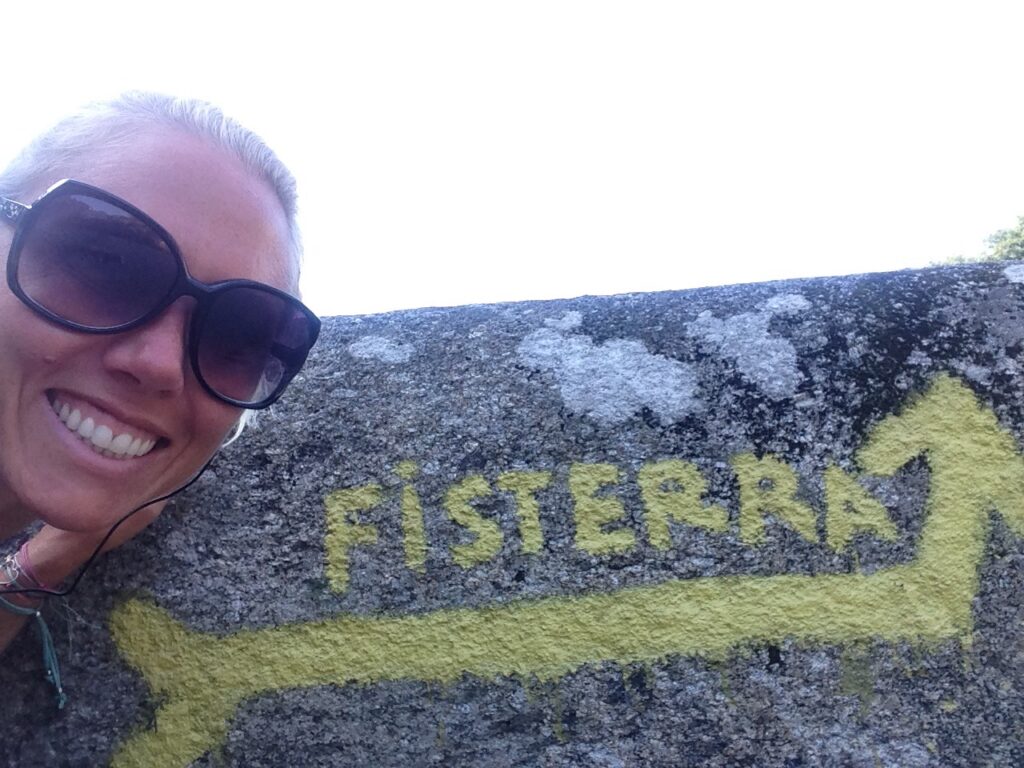
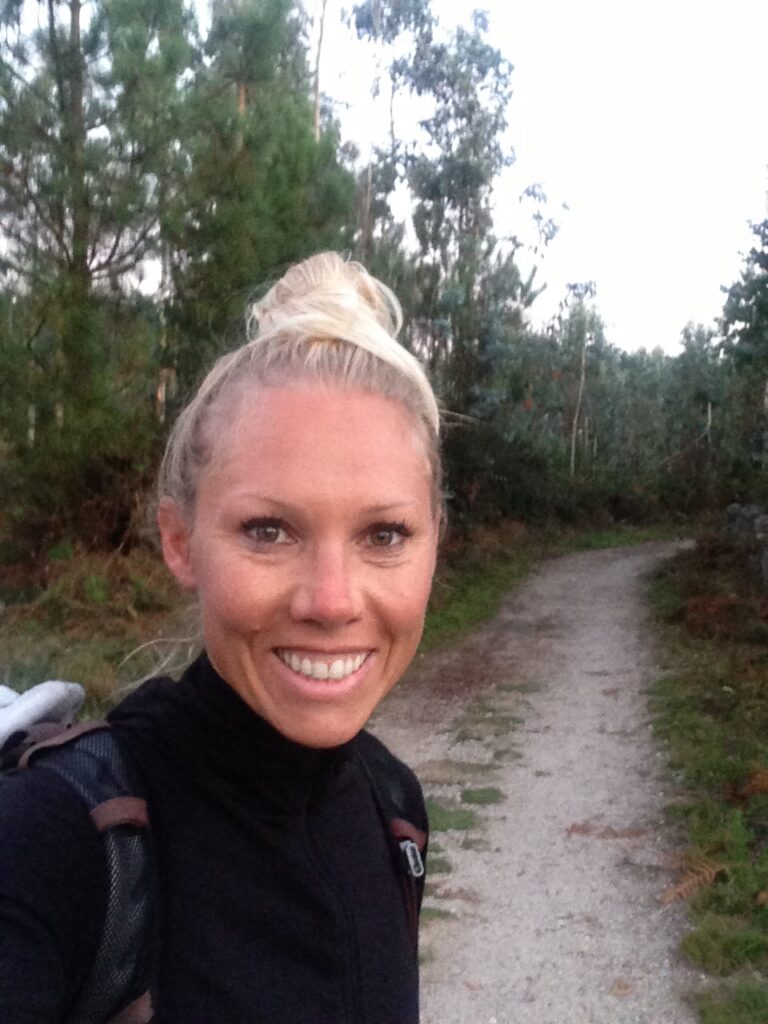
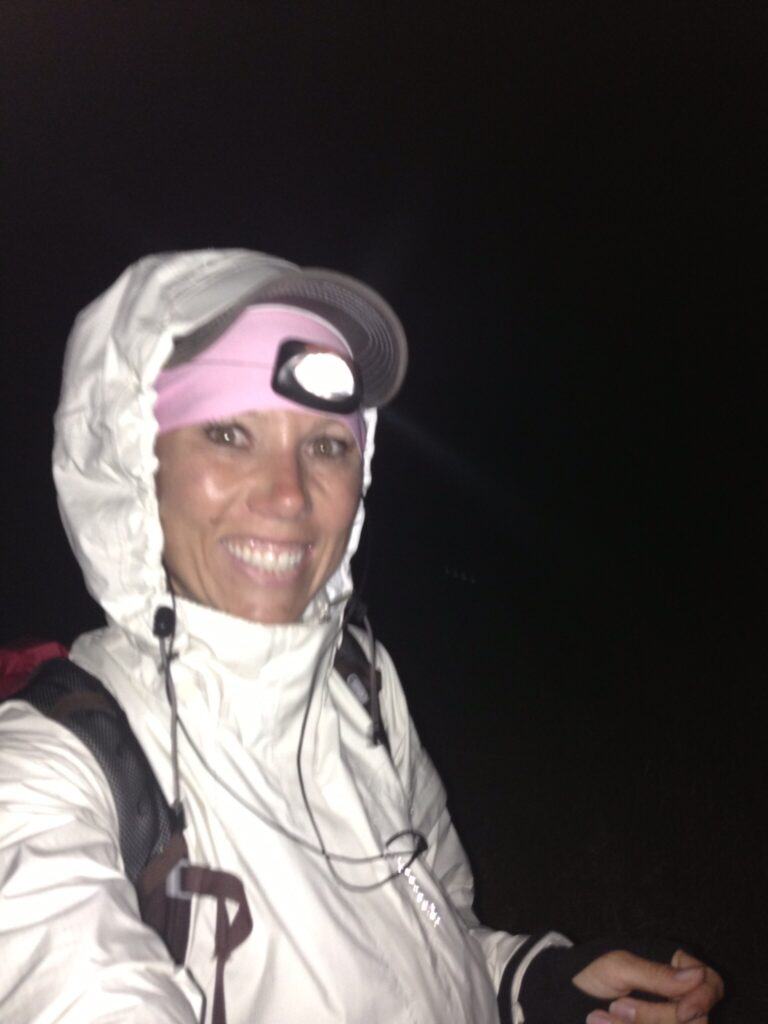
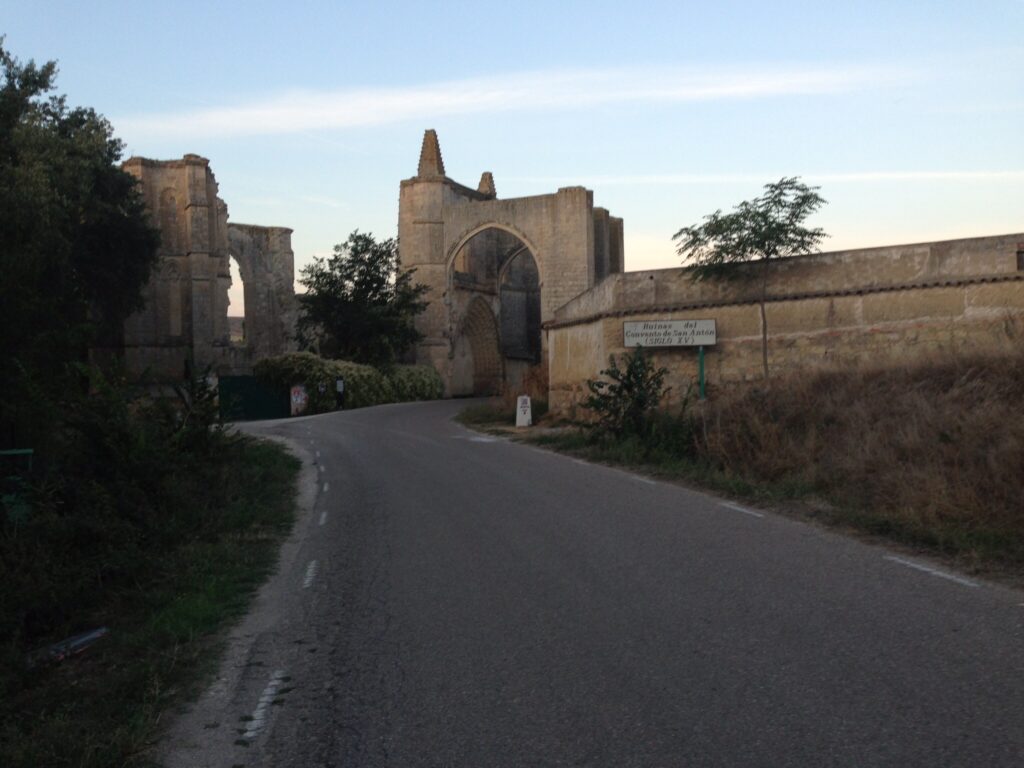
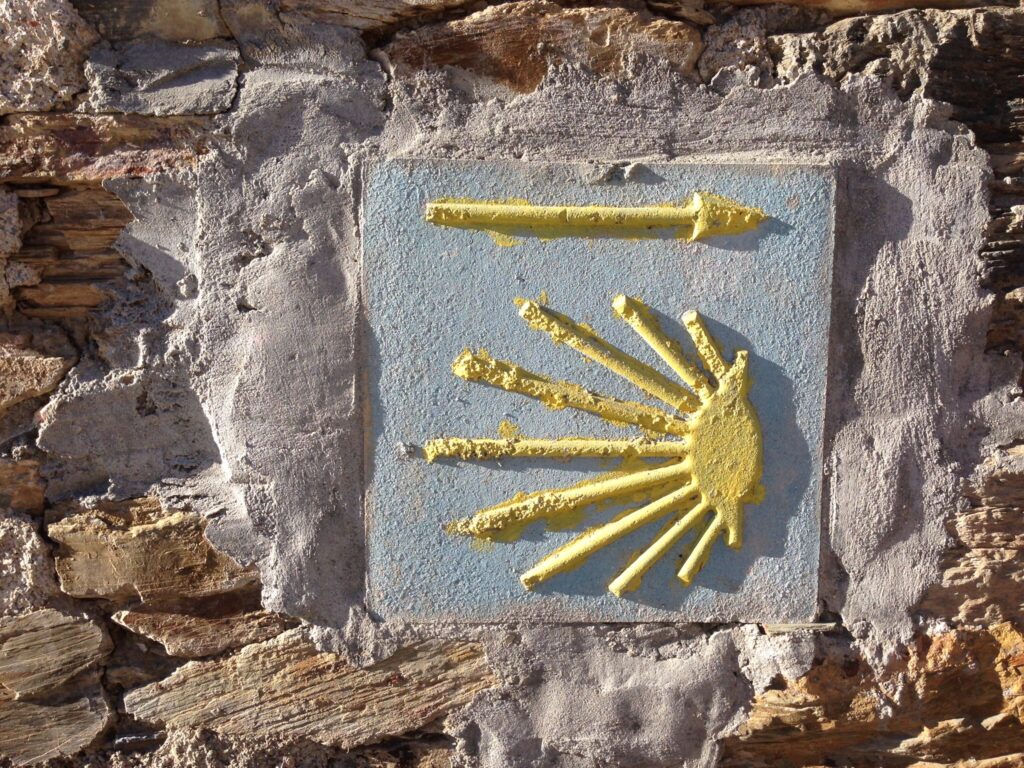
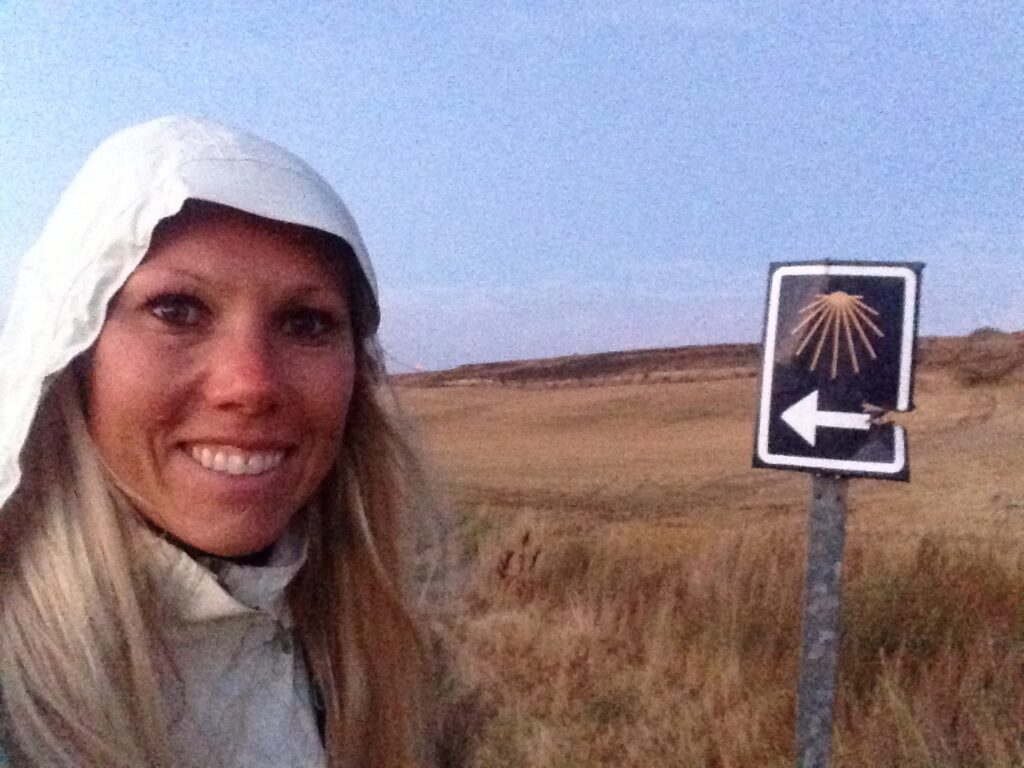
I started the last weekend in August and walked the month of September and I couldn’t of asked for better weather. It only rained a couple days and I had cool mornings and perfect afternoons. Alberques weren’t overly crowded and I was able to find a spot to sleep each night. When I started this post I thought I’d share about my personal experience, but its actually something that is pretty sacred to me and so I think at this time I’ll just share some of the camino facts and recommendations. One thing I will say is if you’re going to go on a walk with god and invest that much milage, bloody feet, open blisters, aching muscles… you better have some kind of intention. I will also say that the trail provides. If you are open to it, you will receive the messages you are seeking loud and clear and meet the exact people you need to meet at the right time. I loved my fellow camino walkers and I wasn’t afraid to journey with them for a few days and then also separate to walk my own pace and go my own way (following the yellow arrows ofcourse). A big tip that was given to me was even though you may feel like you can go an extra distance each day, do not, your body will fatigue in strange ways. Walking daily that many miles has a way of breaking down weird small things and it does catch up to you. Do be disciplined, realized the tortoise eventually beats the hare, and never shy away from a side excursion if you feel called to it. There are beautiful moments and messages all around. One day, I didn’t stop at a church I felt I wanted to, and a mile later I did the unthinkable and backtracked to it, spend an hour soaking up some extremely positive moments. I watched as my fellow pilgrims crossed over a bridge through a gate and was just in awe of each person and their journey. Later I found out I was sitting on a Ley Line, which makes sense, it was full of special happy energy for me.
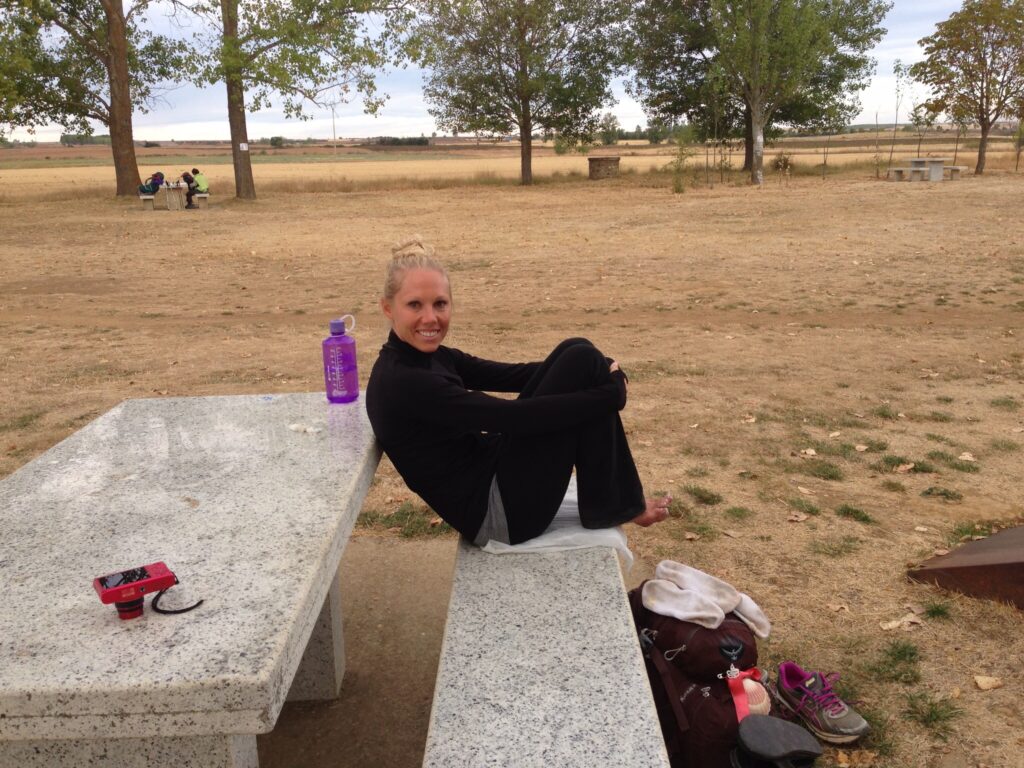
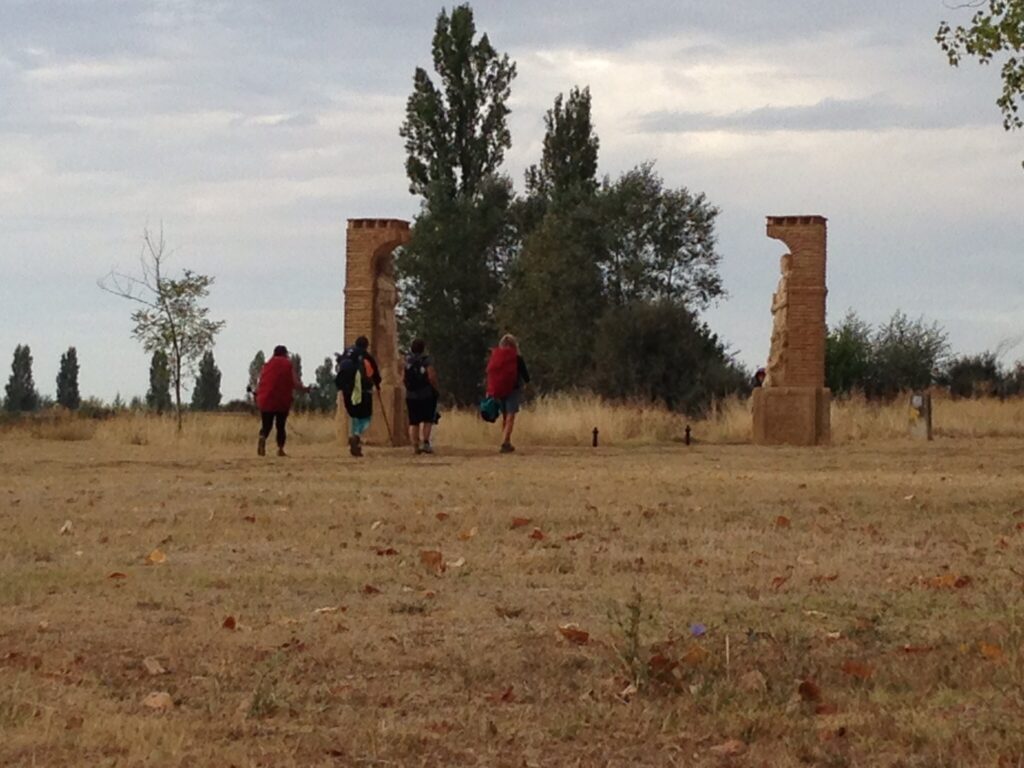
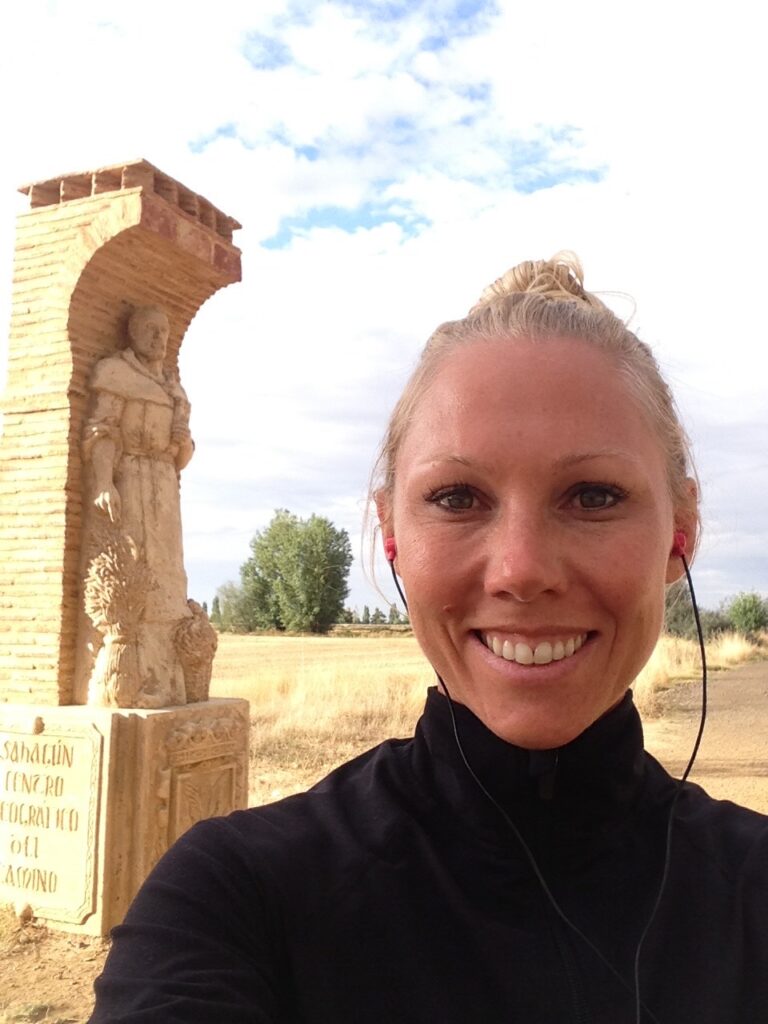
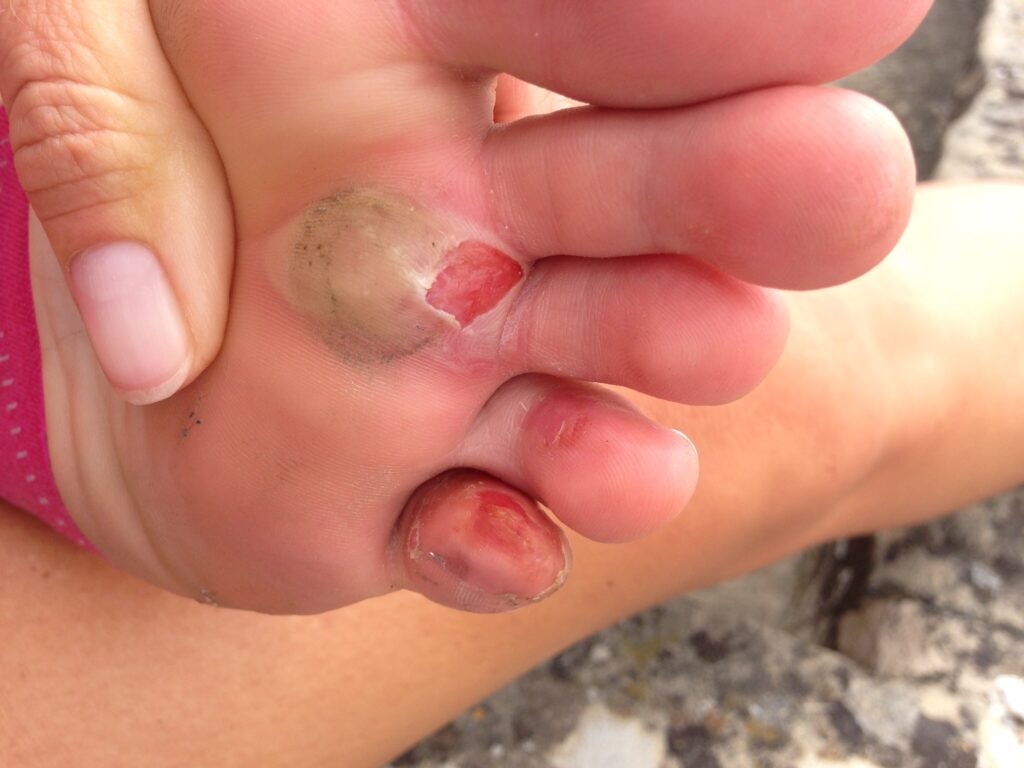
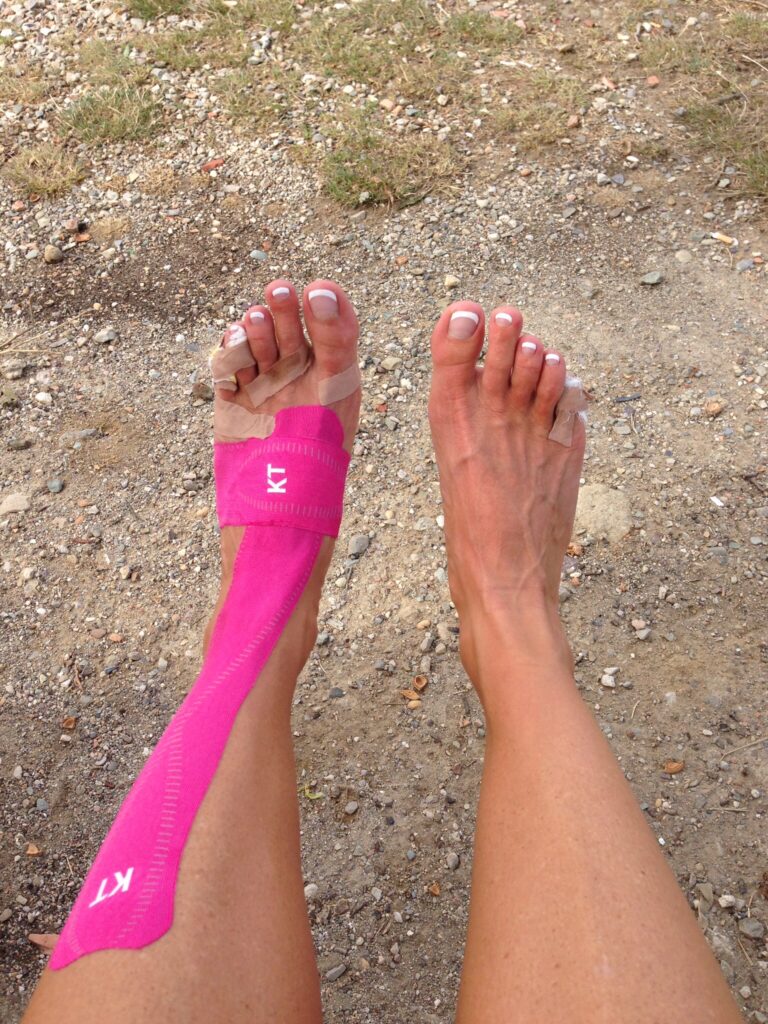
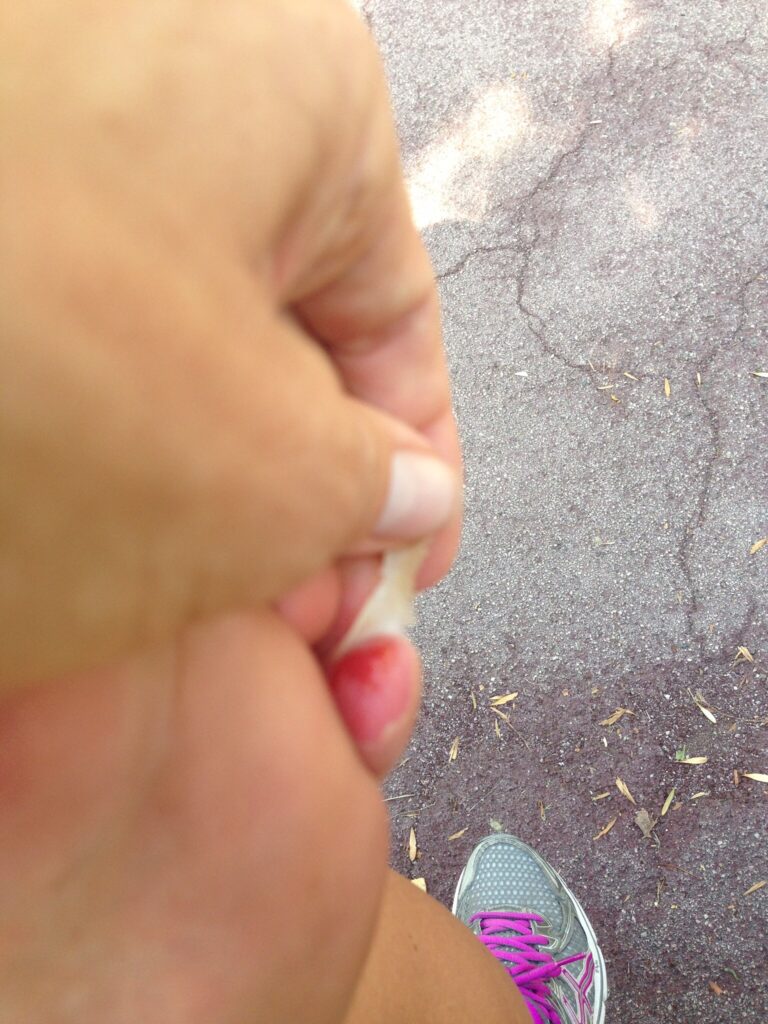
Other tips, take care of your feet. DO NOT soak them in the streams mid day during the middle of a walk. I did this the first 2 days and developed blisters (cause it softens your feet and moisture is not your friend here when walking) and I had bloody blisters the entire 30 days. Each step was painful and I spend massive amounts of time taping my toes and feet each morning.
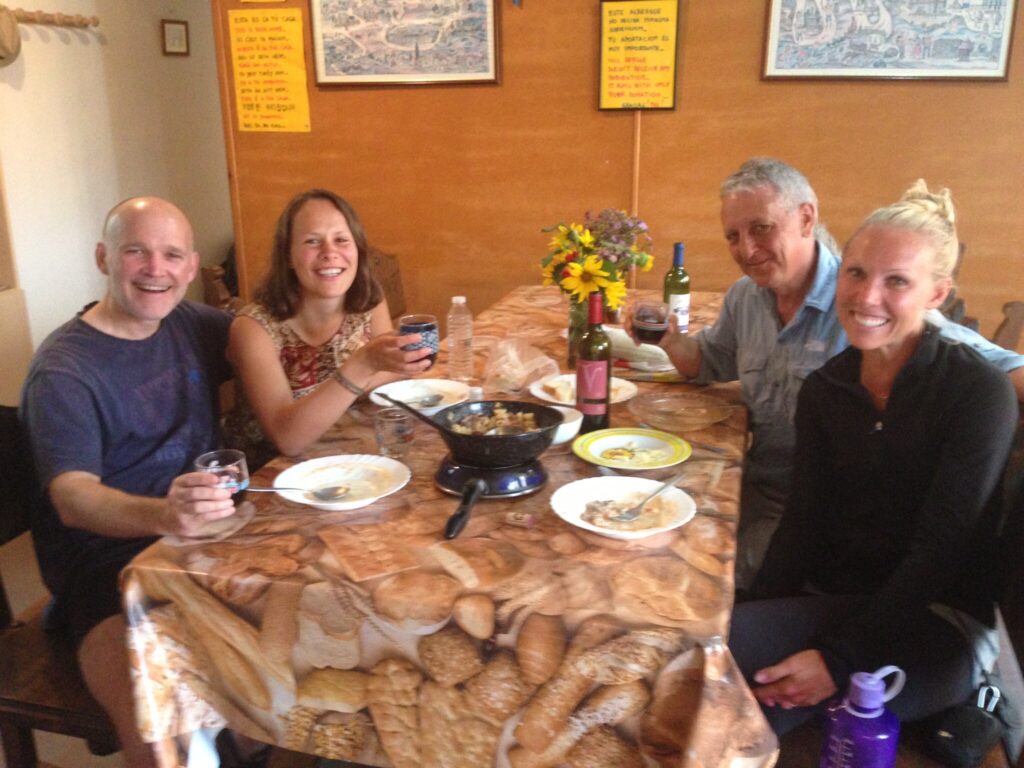
Also don’t be shy and participate in a couple of group dinners Alberques offer. They are local, delicious, and you’ll get to know the story of fellow travelers.
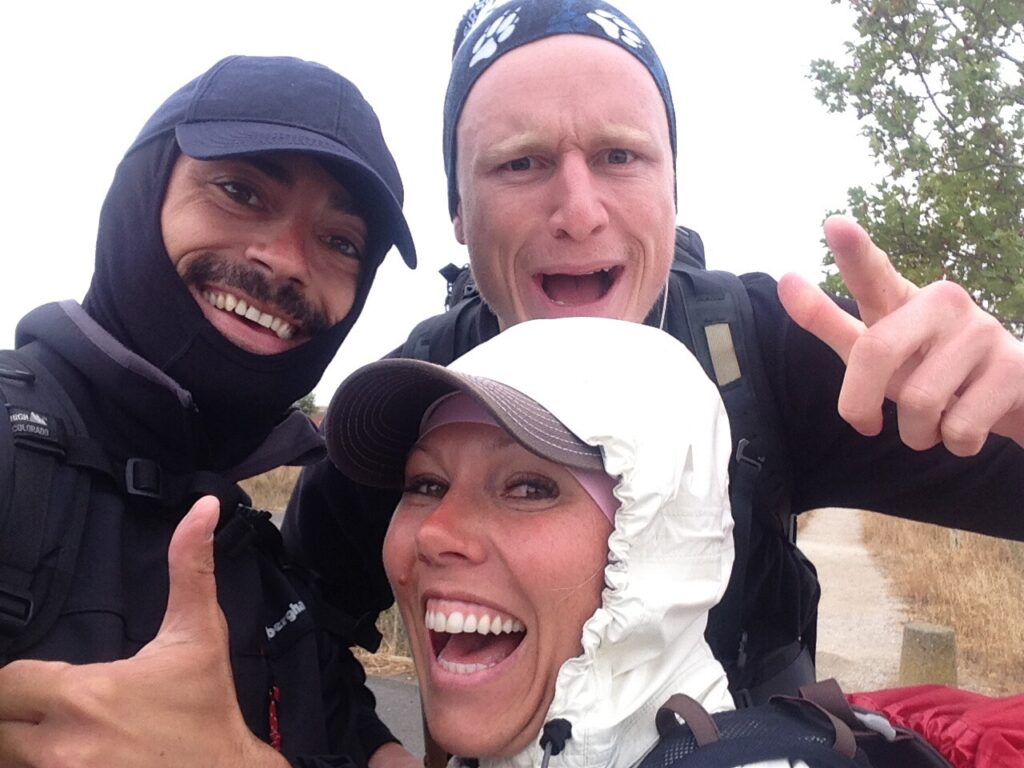
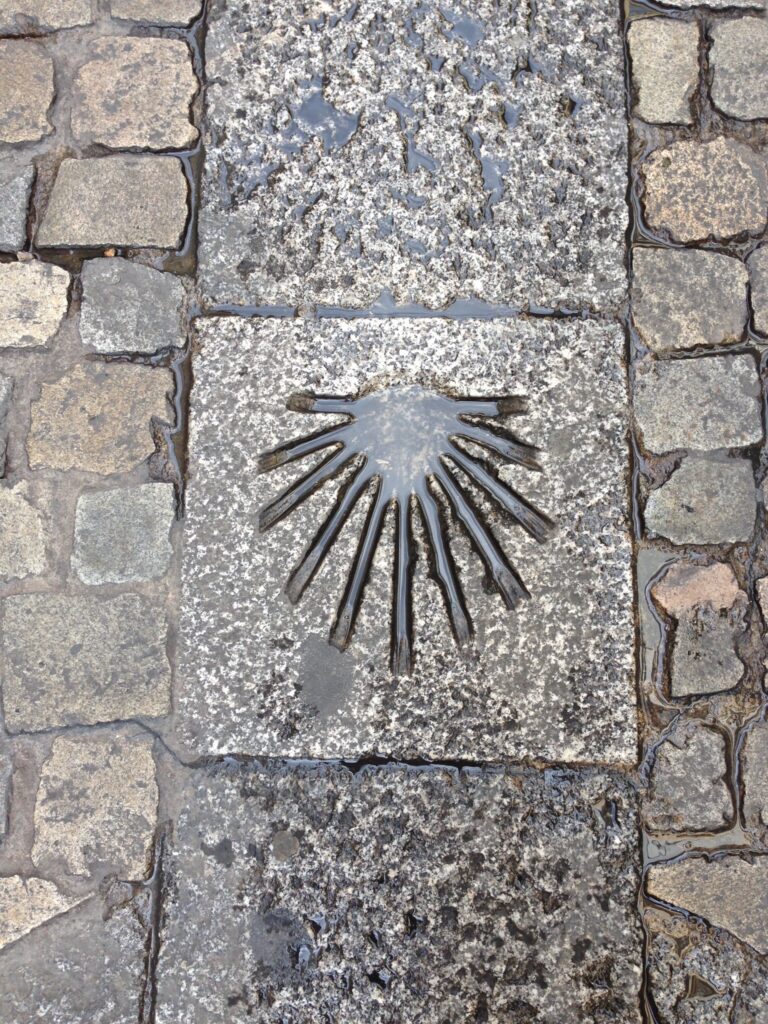
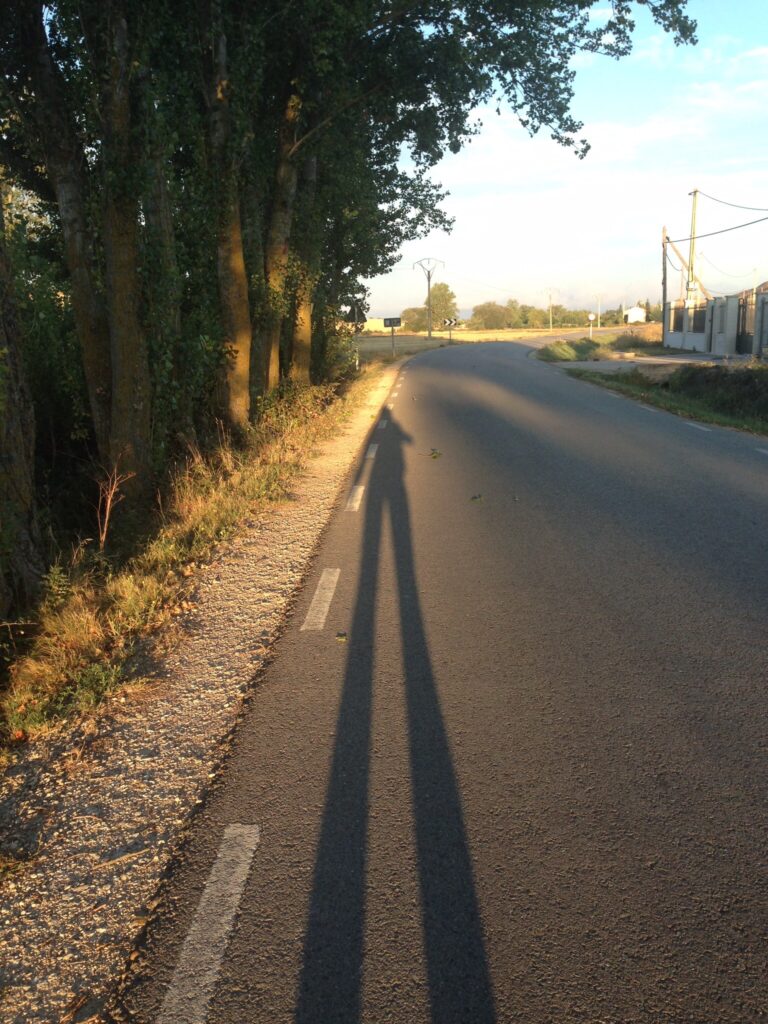
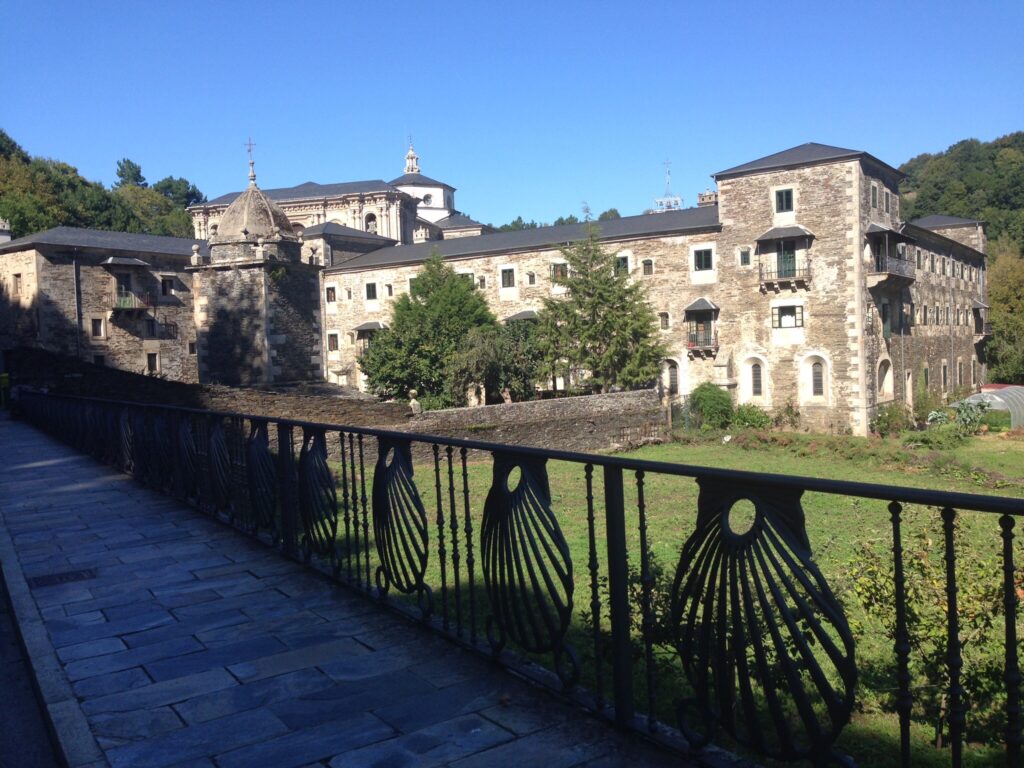
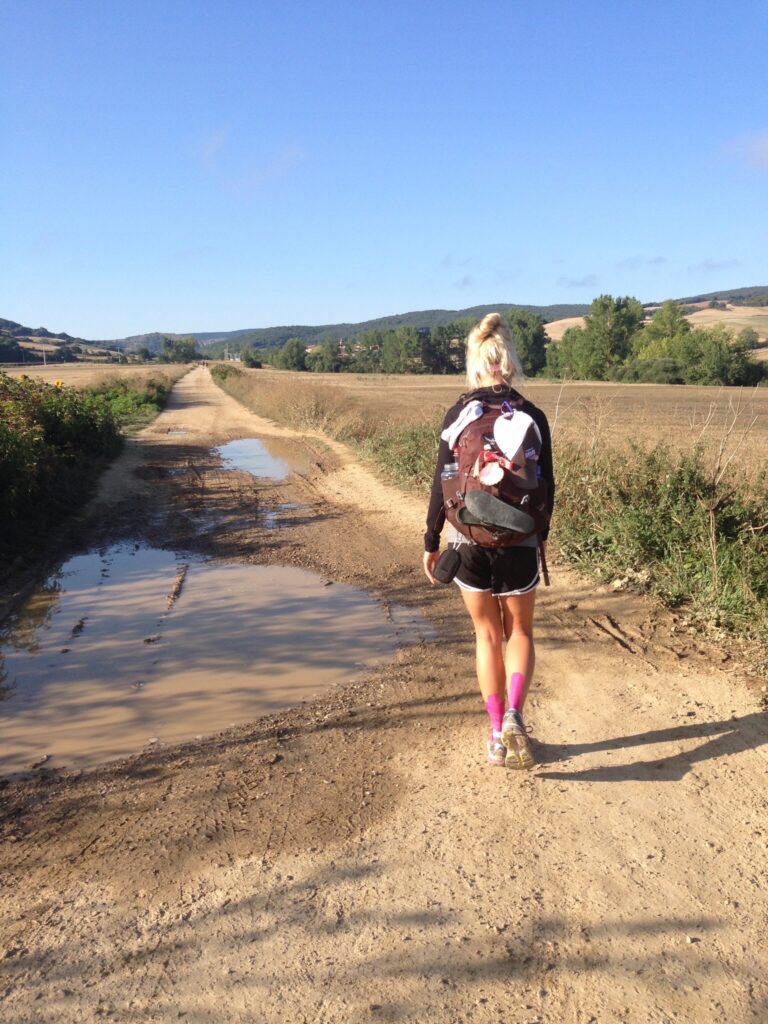
When walking by its customary to offer a “Buen Camino” which means have a nice walk!
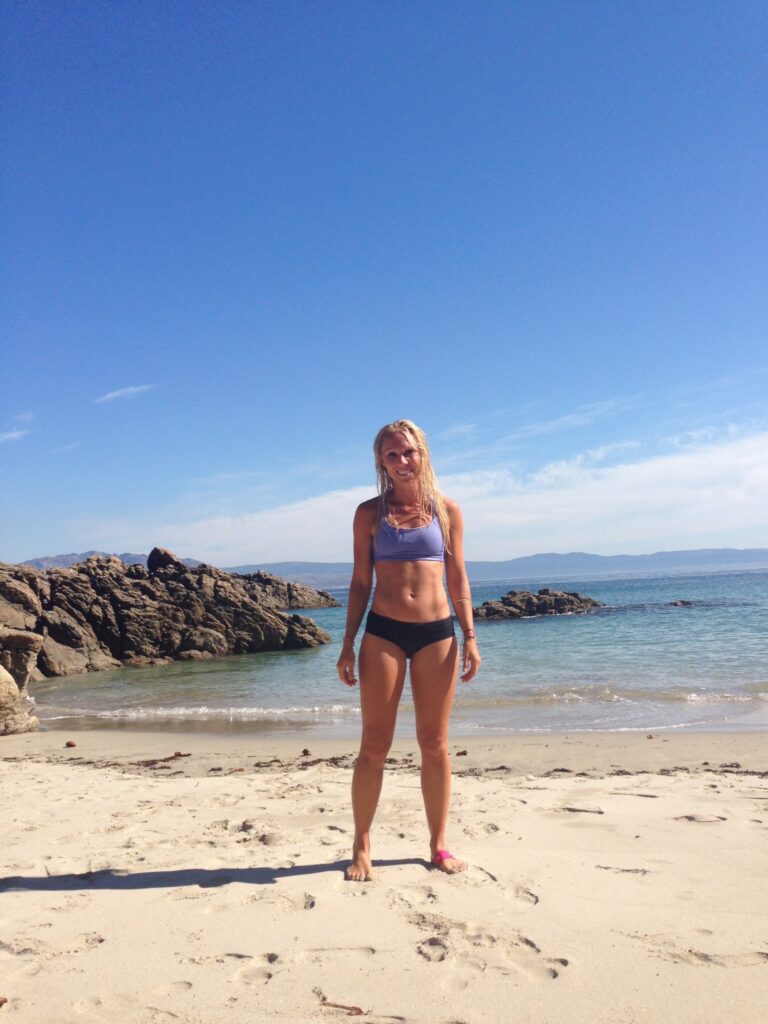
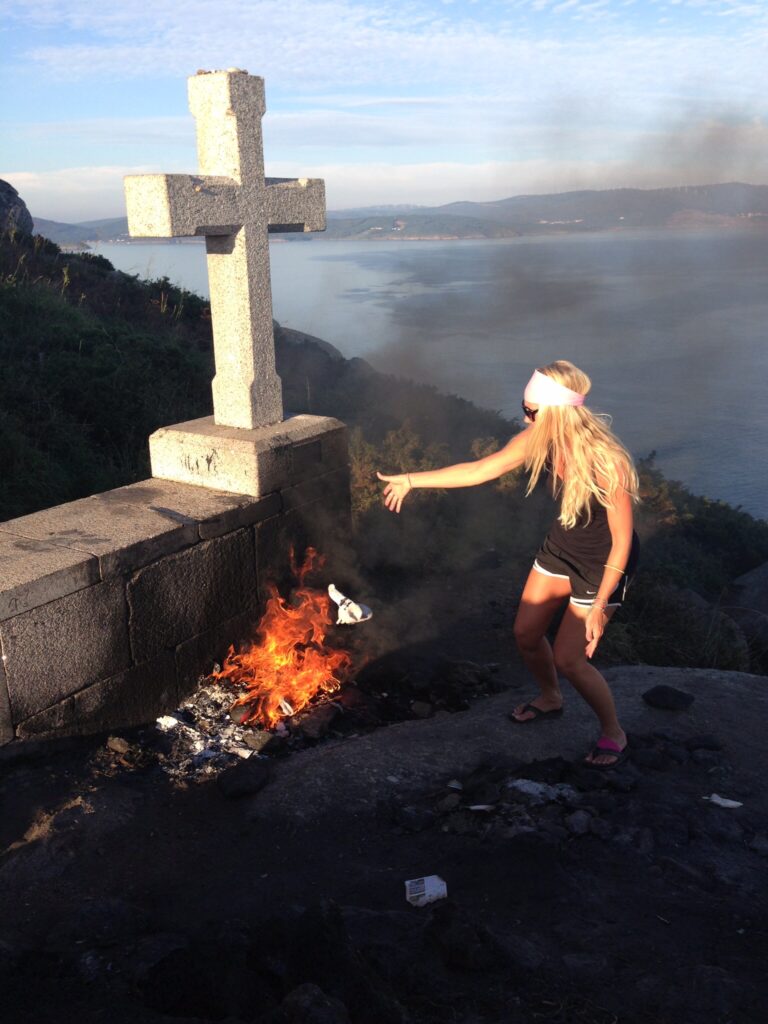
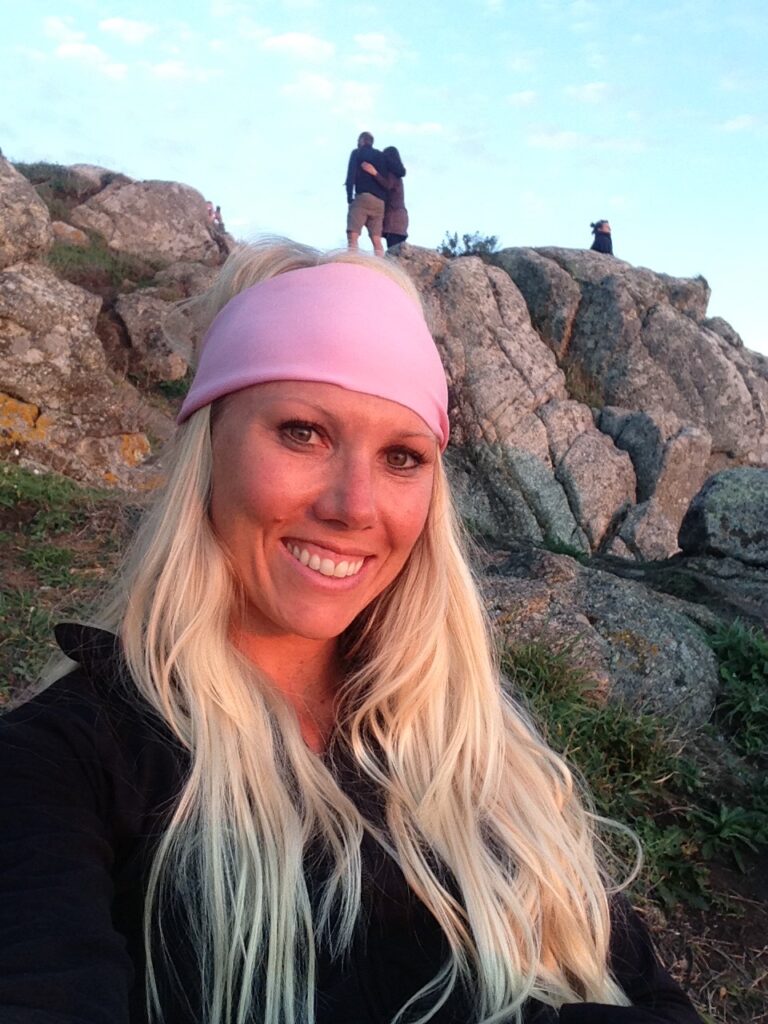
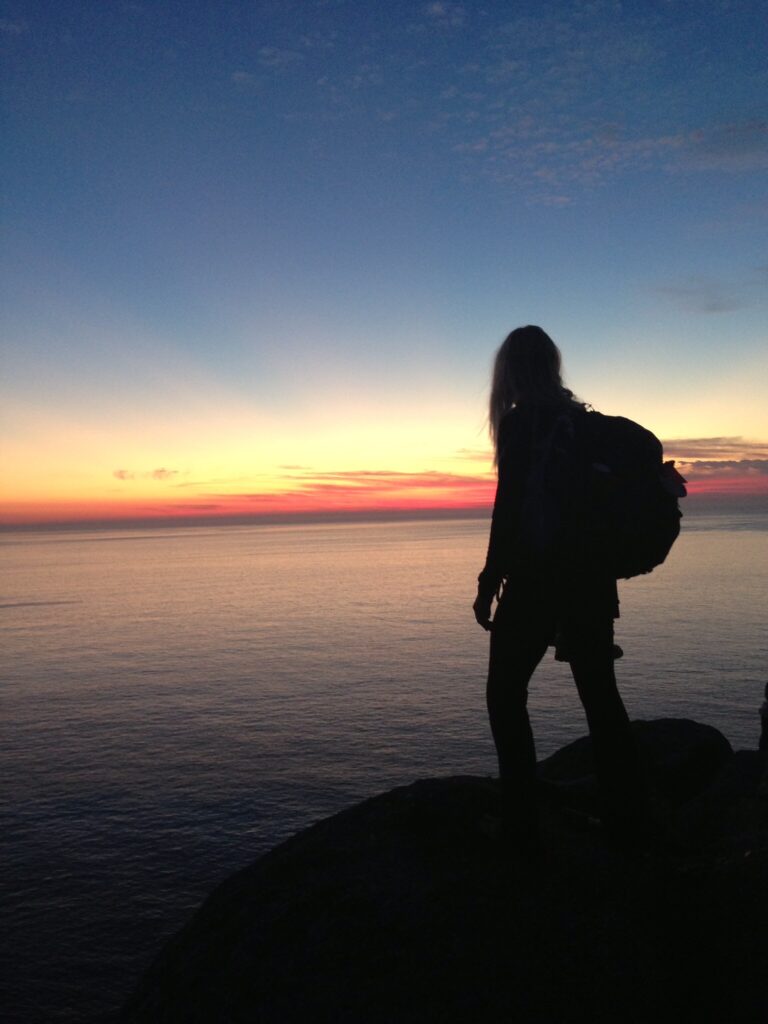
Once you make it to Santiago, you may want to continue on to the ocean and end your walk at Finisterre (or Fisterra in Galician) which is a small coastal town and the name of the rugged headland at the “End of the Earth” and final destination in Galicia, Spain. Once there it is a tradition to cleanse yourself with a dip in the ocean, burn your shoes or socks at the top of the rocks, and watch the sunset. It’s where I ended my walk and put a beautiful ending to a remarkable experience.
A Brief History of the Camino
The Camino de Santiago dates back to the 9th century, when the remains of St. James the Apostle were said to be discovered in Galicia, Spain. Pilgrims began walking from across Europe to pay homage, and by the Middle Ages, it became one of the most important Christian pilgrimages, alongside Rome and Jerusalem.
Today, people walk for many reasons: spirituality, fitness, grief, cultural curiosity, or simply the joy of long-distance trekking. Regardless of motivation, the Camino offers a sense of connection to the millions who walked before.
Choosing Your Route
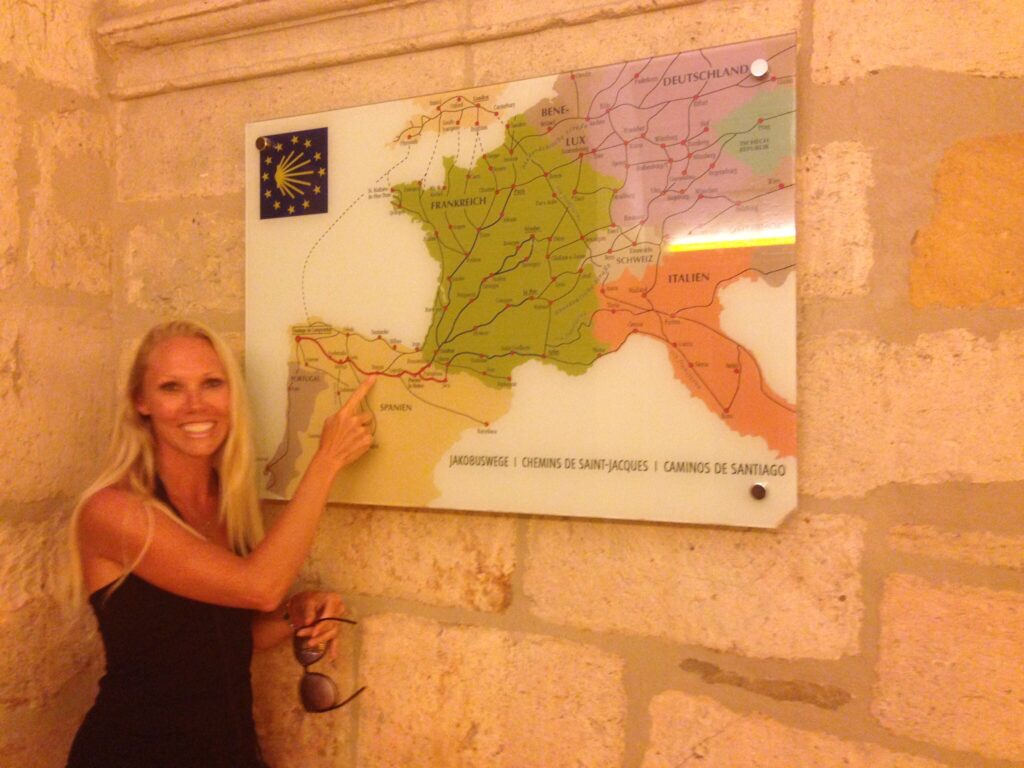
The most famous path is the Camino Francés (French Way), starting in St. Jean-Pied-de-Port, France, and stretching about 780 km (485 miles) to Santiago. Other popular routes include:
- Camino Portugués – from Lisbon or Porto, through Portugal’s coast and countryside.
- Camino del Norte – a stunning coastal route along Spain’s northern edge.
- Via de la Plata – a quieter, longer route from Seville in southern Spain.
Most people complete the Camino Francés in 30–35 days, walking around 20–25 km (12–15 miles) daily.
Where to Stay
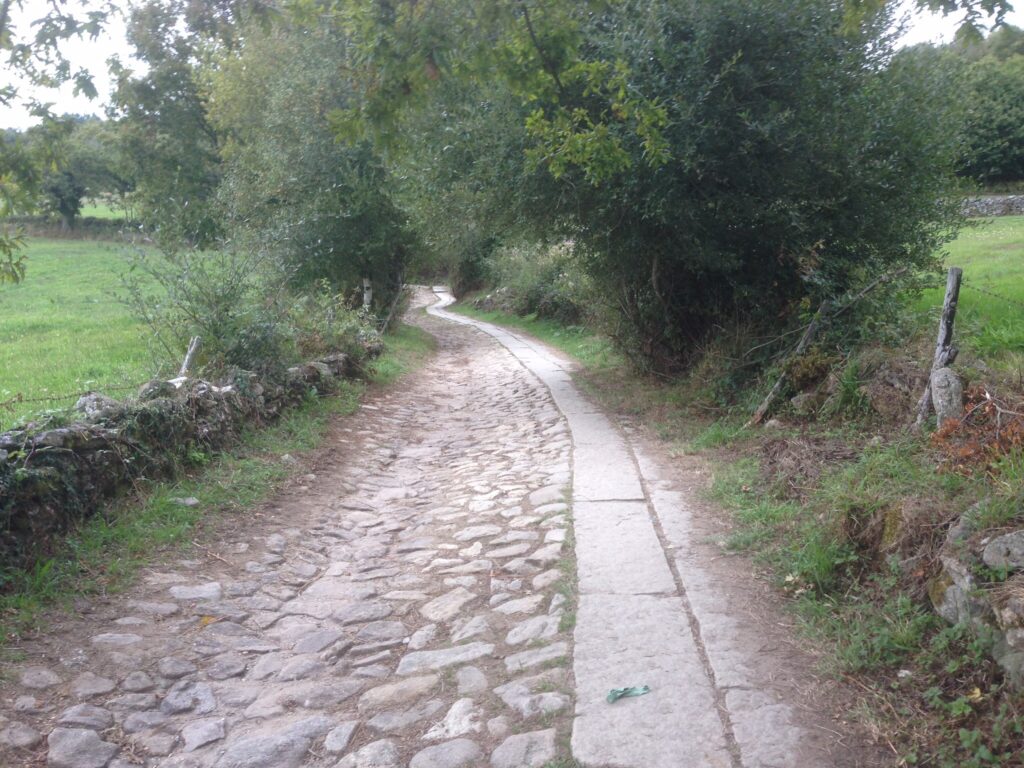
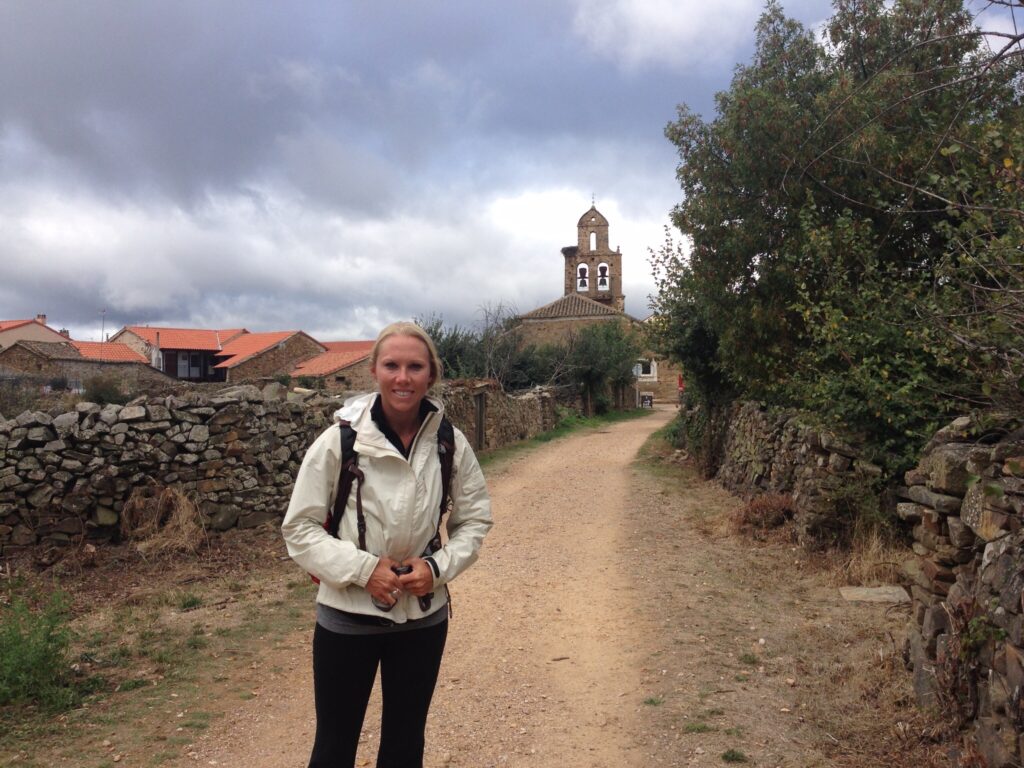
One of the joys of the Camino is the network of pilgrim hostels, called albergues. These range from basic dorm-style bunks run by volunteers to more modern hostels with amenities. Some highlights:
- Municipal albergues – cheap (5–10€), first-come-first-serve.
- Private albergues – a bit pricier (10–15€), usually with nicer facilities.
- Monastery and church stays – unique and often donation-based.
For those seeking comfort, small hotels and guesthouses are also available along the way.
Must-See Stops Along the Camino Francés
If you walk the classic French Way, you’ll pass through landscapes and towns rich in culture:
- St. Jean-Pied-de-Port – the traditional starting point, nestled in the French Pyrenees.
- Pamplona – famous for the Running of the Bulls.
- Burgos – with its UNESCO-listed Gothic Cathedral.
- León – another cathedral city with incredible architecture.
- O Cebreiro – a mountain village with Celtic-style thatched houses.
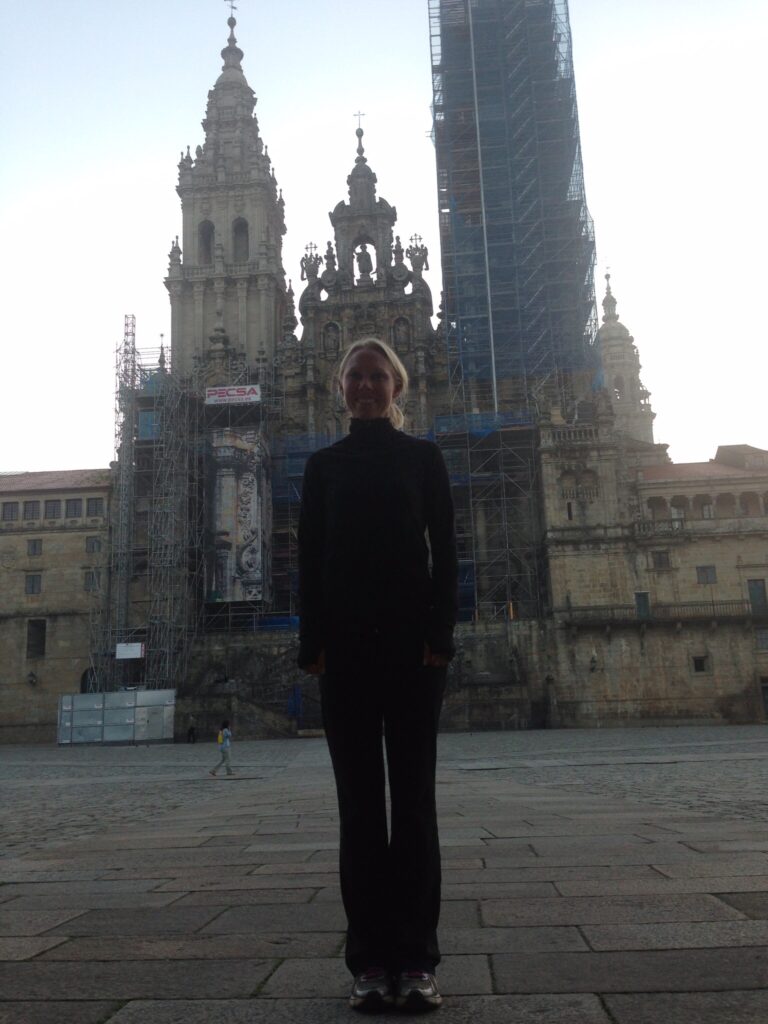
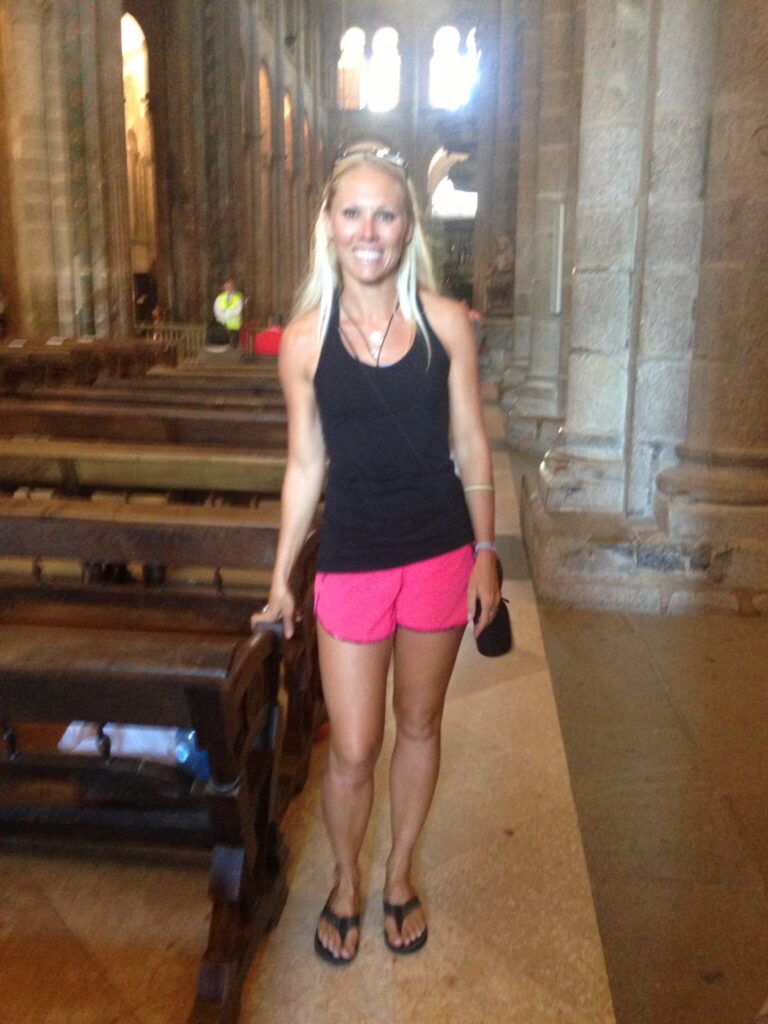
- Santiago de Compostela – the final destination, home to the magnificent Cathedral of St. James, where pilgrims attend the Pilgrim’s Mass.
Dangers and Challenges to Watch Out For
Walking the Camino is safe, but there are things to prepare for:
- Blisters & injuries – the #1 pilgrim complaint. Break in your boots and carry blister care supplies.
- Heatstroke or dehydration – summers in Spain can be brutal; carry plenty of water.
- Theft – rare but possible in crowded albergues; use a small lock or keep valuables close.
- Overexertion – it’s tempting to push too hard. Listen to your body and rest when needed.
- Traffic on roads – some stretches share space with highways; be mindful and wear reflective gear.
Pilgrim Essentials
- Pilgrim Passport (Credencial del Peregrino): Needed to stay in albergues and to collect stamps at each stop.
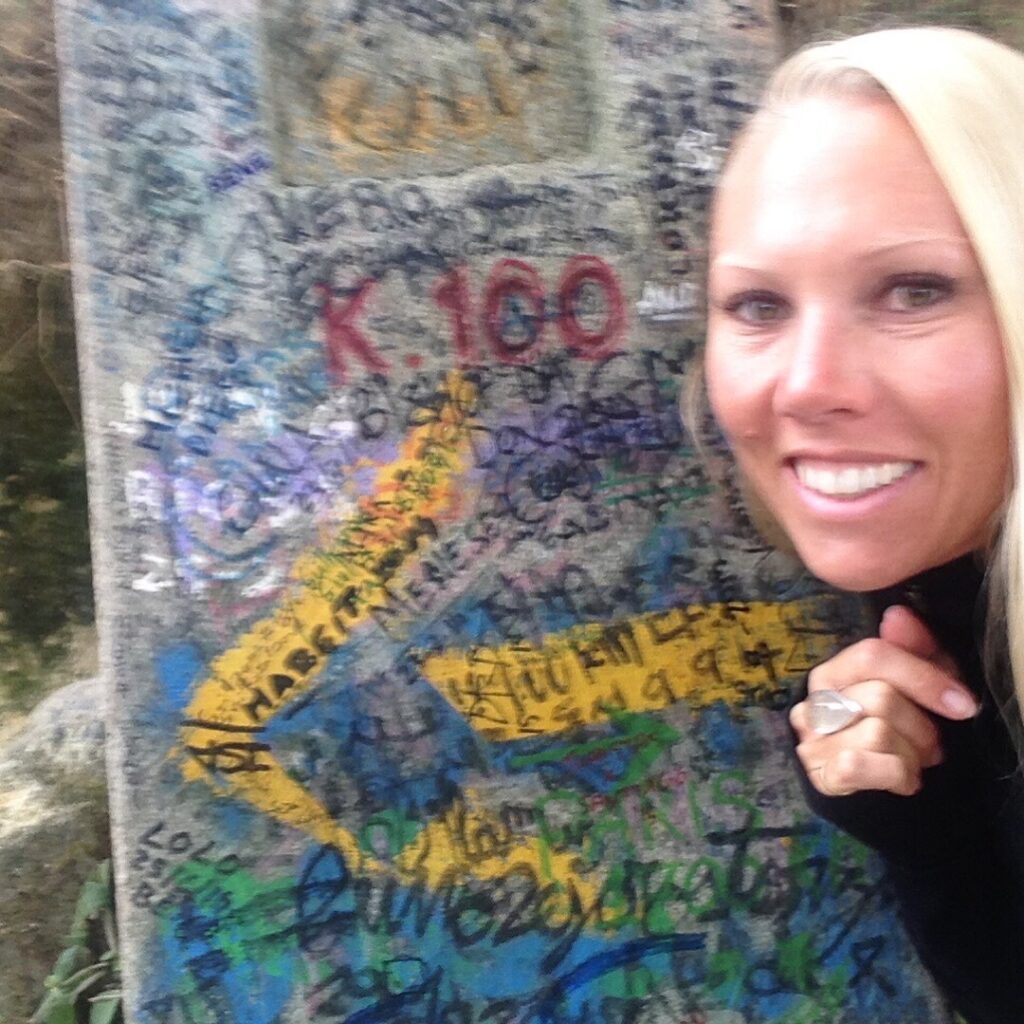
- Compostela Certificate: Awarded in Santiago if you’ve walked at least 100 km (or cycled 200 km).
- Gear: A lightweight backpack, broken-in boots, rain jacket, water bottle, and a shell — the traditional symbol of the Camino.
- Take a Printed Map: I took a picture of the maps of the trail and printed it off just in case my phone ran out of battery. There are yellow arrows that you follow the entire way, but its nice to see where you may want to plan to stop, or make sure you are not getting off trail if the arrows are far apart, which sometimes they are.
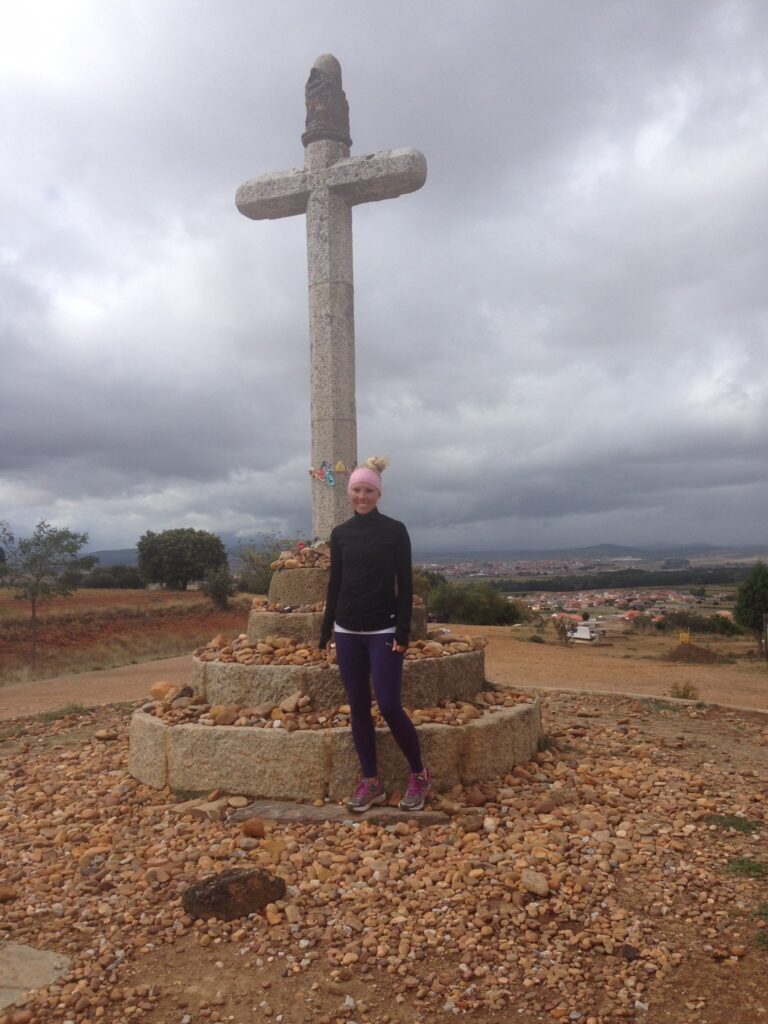
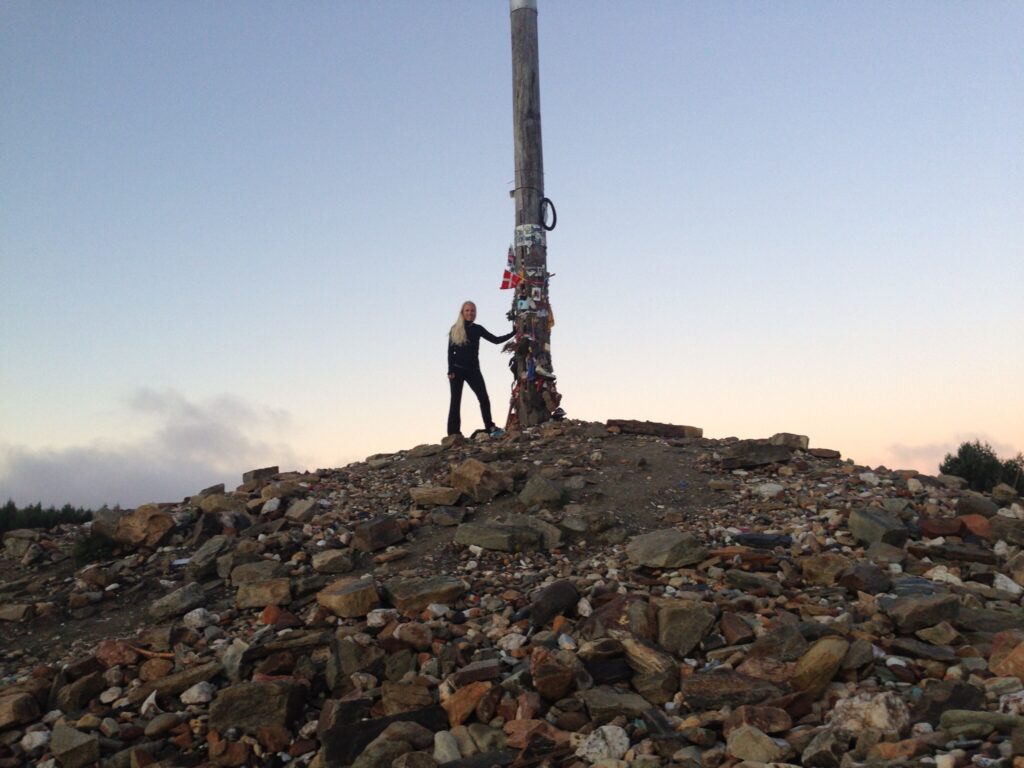
- The Cross: The cross where pilgrims traditionally leave a stone or other object on the Camino de Santiago is the Cruz de Ferro (Iron Cross). It is one of the most significant and emotionally resonant landmarks on the Camino Francés pilgrimage route.
The tradition of leaving a stone
- Symbolic release of burdens: The most common tradition is for pilgrims to carry a stone, often from their home, and leave it at the base of the cross. This act symbolizes casting off personal burdens, worries, guilt, or other difficulties in one’s life.
- A personal memento: The stone you leave might represent a specific prayer, a person you’re walking for, or a painful memory you wish to let go of. The accumulated stones at the foot of the cross form a large mound, with each stone telling a silent story of release.
- A moment of reflection: For many, leaving the stone is a private, emotional ritual, marking a significant turning point on their pilgrimage toward spiritual renewal.
Camino de Santiago Rituals
- Stamping Your Pilgrim Passport
The credencial is stamped at every stop, mapping your journey. It’s essential for receiving your Compostela at the end. - A Sip of Rioja
At Bodegas Irache near Estella, pilgrims enjoy a free pour of Rioja wine from the famous fountain — a modern but beloved ritual. - A Memento at Cruz de Ferro
Pilgrims leave a stone or keepsake at the Iron Cross, reflecting on their journey and loved ones. - Wash at Lavacolla
Traditionally, pilgrims washed in this stream before entering Santiago — one of the oldest Camino rituals. - Pilgrim’s Mass
Held daily at noon in Santiago’s cathedral. Many pilgrims witness the massive botafumeiro swinging through the church. - The Compostela
A certificate awarded to those who complete at least the last 100 km (walking) or 200 km (cycling) of the Camino. - Swim in Fisterra
Some continue past Santiago to the “end of the world,” watching the sunset and swimming in the Atlantic at Fisterra. - Say “Buen Camino!”
The traditional greeting exchanged along the trail, creating an instant bond among pilgrims.
The Experience
The Camino isn’t just about reaching Santiago — it’s about the community you build along the way. Pilgrims from every corner of the world walk side by side, sharing meals, wine, stories, and struggles. Strangers become friends, and the Camino itself becomes part of you.
When you finally step into Praza do Obradoiro in front of Santiago’s cathedral, tired but exhilarated, you’ll understand why people say the Camino changes you.